{ "article": [ { "title": "Comparing 3 Leading Telehealth Platforms", "meta_description": "A detailed comparison of top telehealth services for convenient remote medical consultations for seniors.", "content": "A detailed comparison of top telehealth services for convenient remote medical consultations for seniors.\n\n
\n\n
Understanding Telehealth for Seniors Benefits and Accessibility
\n\nHey there! Let's chat about something super important for our seniors: telehealth. It's basically healthcare from your couch, and it's a game-changer, especially for older adults. Think about it: no more battling traffic, finding parking, or sitting in a waiting room full of sniffles. Telehealth brings the doctor's office right to you, making healthcare way more accessible and convenient. This is huge for folks with mobility issues, those living in rural areas, or anyone who just prefers the comfort of their own home. It's not just about convenience, though. Telehealth can also help manage chronic conditions, provide quick consultations for minor ailments, and even offer mental health support, all without the usual hassle. Plus, it often means quicker appointments and less exposure to germs, which is a big win for seniors with compromised immune systems. We're talking about a revolution in how healthcare is delivered, making it easier for seniors to stay on top of their health without feeling overwhelmed.\n\n
Key Features to Look for in Telehealth Platforms for Elderly Care
\n\nWhen you're picking a telehealth platform for an older adult, you gotta look beyond just the basics. It's not just about seeing a doctor on a screen; it's about making sure the whole experience is smooth, secure, and genuinely helpful. First off, ease of use is paramount. The platform needs to be intuitive, with large buttons, clear instructions, and minimal technical jargon. If it's too complicated, seniors might get frustrated and give up. Think about features like one-click access to appointments, easy navigation, and clear audio/video quality. Next up, security and privacy are non-negotiable. You want a platform that's HIPAA-compliant, meaning it protects sensitive health information like a fortress. Look for strong encryption, secure login procedures, and clear privacy policies. Nobody wants their health data floating around unprotected. Then there's the range of services. Does it offer primary care, specialists, mental health, prescription refills? The more comprehensive, the better. You want a platform that can handle a variety of needs, so you don't have to juggle multiple services. Integration with existing healthcare providers or electronic health records (EHR) is also a big plus. This ensures continuity of care and makes it easier for doctors to access relevant medical history. Finally, consider customer support. If something goes wrong, is there someone available to help, preferably with a senior-friendly approach? A good support team can make all the difference in a stressful situation. These features ensure that telehealth isn't just a novelty but a truly effective and supportive healthcare solution for seniors.\n\n
Platform 1 Teladoc Health A Comprehensive Overview
\n\nAlright, let's dive into our first contender: Teladoc Health. This platform is a big player in the telehealth world, and for good reason. It's known for its wide range of services and pretty user-friendly interface, making it a solid choice for many seniors. Teladoc offers access to general medical consultations, mental health therapy, dermatology, nutritionists, and even specialists for more complex conditions. You can pretty much get care for anything from a common cold to managing chronic conditions like diabetes or hypertension. The process is usually straightforward: you request a consultation, and within minutes (or sometimes a few hours, depending on the specialty), you're connected with a board-certified doctor via phone or video. They can diagnose, recommend treatment, and even send prescriptions to your preferred pharmacy. For seniors, the convenience of getting a prescription refilled without a trip to the doctor's office is a huge benefit. Teladoc also boasts a large network of providers, which means you often have more flexibility in scheduling appointments. They've put a lot of effort into making their app and website easy to navigate, with clear prompts and a simple layout. While it's generally intuitive, some seniors might still need a little help setting up their initial account or navigating the first few appointments. Teladoc's pricing varies depending on your insurance plan, but they also offer a flat fee for those without coverage. It's definitely worth checking if your insurance covers Teladoc services, as many do. Overall, Teladoc is a robust option that covers a lot of bases, making it a strong contender for seniors looking for comprehensive virtual care.\n\n
Platform 2 Amwell A Focus on Integrated Care
\n\nNext up, we have Amwell, another major player in the telehealth space, often praised for its focus on integrated care and partnerships with health systems. Amwell aims to connect patients with doctors they might already know or who are part of their existing healthcare network, which can be a huge comfort for seniors who value continuity of care. Like Teladoc, Amwell offers a broad spectrum of services, including urgent care, therapy, psychiatry, nutrition counseling, and even some specialty consultations. What sets Amwell apart for many is its strong ties with hospitals and health systems. This means that if you're already a patient within a health system that partners with Amwell, your virtual visits can be more seamlessly integrated into your existing medical records. This can be a big advantage for seniors with complex medical histories or those who prefer their primary care physician to have a full picture of their health. The platform itself is designed to be user-friendly, with a clean interface that makes it relatively easy to schedule appointments and connect with providers. They offer both video and phone consultations, giving seniors options based on their comfort level and internet access. Amwell's pricing structure is similar to Teladoc's, often depending on insurance coverage, with self-pay options available. While generally reliable, some users have reported occasional technical glitches, so having a good internet connection is key. Amwell's strength lies in its ability to bridge the gap between virtual and in-person care, making it an excellent choice for seniors who want their telehealth experience to be part of a larger, coordinated healthcare plan.\n\n
Platform 3 Doctor On Demand User Experience and Mental Health Support
\n\nOur third platform in the spotlight is Doctor On Demand, which has gained a lot of traction for its strong emphasis on user experience and robust mental health services. While it offers general medical consultations, what really makes Doctor On Demand shine for seniors is its dedicated focus on mental health, including therapy and psychiatry. This is incredibly important, as mental well-being is just as crucial as physical health, especially for older adults who might face isolation or other emotional challenges. The platform prides itself on its ease of use, with a very intuitive interface that makes scheduling and connecting with a doctor straightforward, even for those who aren't tech-savvy. They offer video consultations, allowing for a more personal connection with the provider, which can be reassuring for seniors. Doctor On Demand also provides preventative health services and chronic care management, making it a comprehensive option for ongoing health needs. One of its standout features is the ability to choose your own doctor from a list of available providers, allowing you to view their profiles, specialties, and even patient reviews before making an appointment. This can help seniors feel more comfortable and confident in their choice of provider. Pricing is typically a flat fee per visit if you're paying out-of-pocket, but they also work with many insurance plans, so it's always a good idea to check your coverage. While all three platforms offer mental health services, Doctor On Demand's specialized focus and user-friendly approach make it a particularly strong contender for seniors prioritizing mental well-being alongside their physical health. Its emphasis on choice and a smooth user journey makes it a very appealing option.\n\n
Comparing Features Pricing and User Experience
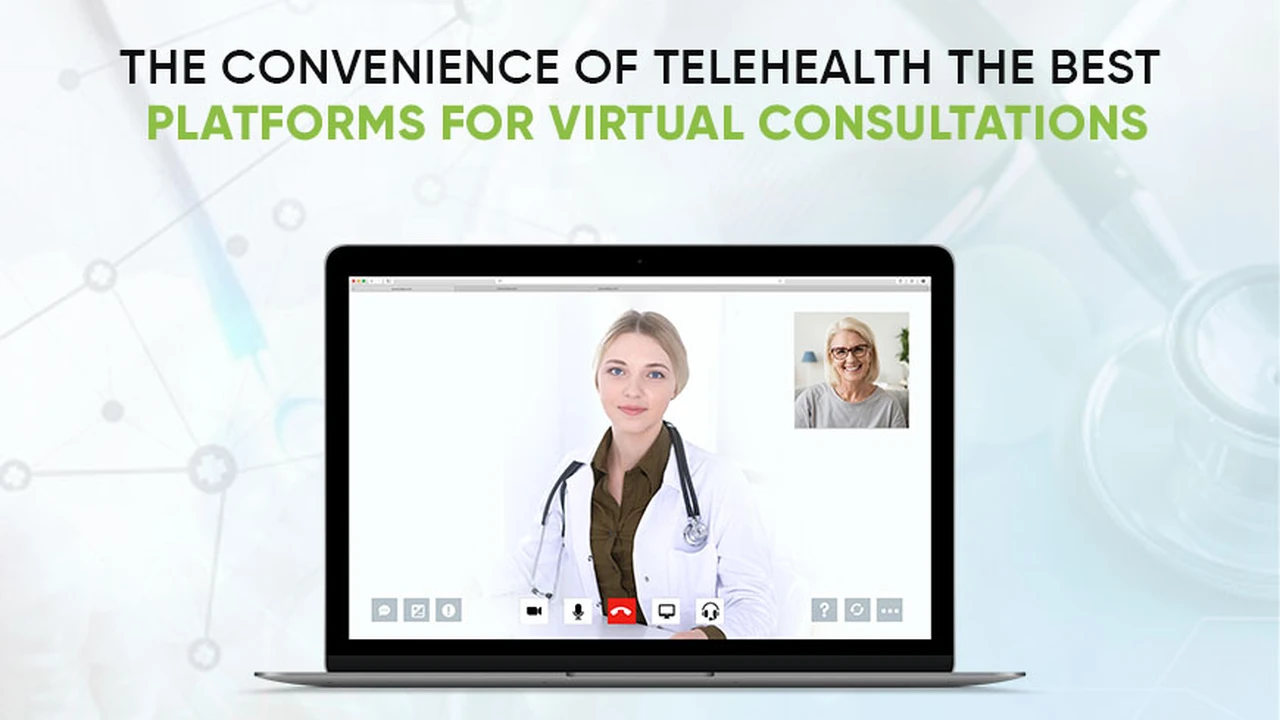
\n\nLet's break down how these three stack up against each other in a few key areas: features, pricing, and user experience. When it comes to features, all three – Teladoc, Amwell, and Doctor On Demand – offer a solid range of general medical consultations, mental health services, and prescription refills. Teladoc stands out for its sheer breadth of specialists and a very large network of providers, making it a good all-rounder. Amwell's strength lies in its integrated care model, often partnering directly with existing health systems, which can be a huge plus for continuity of care. Doctor On Demand, while also comprehensive, really shines in its dedicated mental health support and the ability to choose your specific provider, fostering a more personalized experience. So, depending on what's most important to you – broad access, integrated care, or specialized mental health with provider choice – one might edge out the others.\n\nNow, let's talk money. Pricing for all three platforms largely depends on your insurance coverage. Many major insurance providers, including Medicare Advantage plans, now cover telehealth services, so always check your specific plan details first. For those without insurance or for services not covered, all three offer self-pay options. Teladoc and Amwell typically have a per-visit fee that can vary based on the type of consultation (e.g., general medical vs. specialist). Doctor On Demand often has a clear flat fee per visit, which can be appealing for budgeting. It's crucial to compare these costs with your potential out-of-pocket expenses, including deductibles and co-pays, to find the most economical option for your situation.\n\nFinally, user experience. This is where personal preference and tech comfort levels really come into play. All three platforms have invested in making their interfaces user-friendly, but there are subtle differences. Teladoc's app is generally intuitive and well-designed, making it easy to navigate for most users. Amwell also offers a clean interface, but some users have reported occasional minor technical hiccups, though these are usually quickly resolved. Doctor On Demand is often lauded for its exceptionally smooth and straightforward user journey, from scheduling to the actual consultation, which can be a significant advantage for seniors who might be less comfortable with technology. The ability to choose your doctor on Doctor On Demand also contributes to a more positive and personalized user experience. Ultimately, while all are good, a trial run or looking at user reviews specific to ease of use for seniors can help make the final decision. It's about finding the platform that feels most comfortable and accessible for the individual senior.\n\n
Specific Use Cases and Scenarios for Seniors
\n\nTelehealth isn't just a general solution; it's incredibly versatile and can be tailored to many specific needs of seniors. Let's look at some real-world scenarios where these platforms truly shine. First off, managing chronic conditions. Many seniors live with conditions like diabetes, hypertension, or heart disease that require regular monitoring and medication adjustments. Instead of frequent in-person visits, telehealth allows for virtual check-ins, prescription refills, and discussions about symptoms or lifestyle changes. This reduces the burden of travel and makes consistent care much easier to maintain. Imagine a senior with limited mobility who needs a quick check-in on their blood pressure – a telehealth call is perfect.\n\nAnother common scenario is urgent but non-emergency care. Think about a sudden cold, a minor rash, a urinary tract infection, or even just needing a quick medical opinion on a new symptom. These don't always warrant an emergency room visit or even a trip to the urgent care clinic. Telehealth platforms can provide rapid consultations, diagnoses, and even prescribe necessary medications, saving seniors time, discomfort, and potentially high medical bills. It's about getting timely care for those 'not quite emergency' situations.\n\nMental health support is another critical area. Seniors can experience loneliness, depression, anxiety, or grief, and accessing mental health professionals can be challenging due to stigma, mobility issues, or lack of local resources. Telehealth offers a discreet and convenient way to connect with therapists and psychiatrists from the comfort of home. This can be life-changing for seniors who might otherwise go without crucial mental health care. The privacy of a virtual session can also make it easier for some to open up.\n\nPost-operative follow-ups or medication management are also ideal for telehealth. After a surgery or hospital stay, follow-up appointments are essential but can be taxing. Telehealth allows doctors to check on recovery progress, wound healing (via video), and medication adherence without the patient having to leave home. Similarly, for seniors on multiple medications, virtual consultations can help manage prescriptions, discuss side effects, and ensure proper dosage, reducing the risk of medication errors.\n\nFinally, for caregivers, telehealth offers immense support. They can participate in appointments with their loved ones, ask questions, and receive guidance on care plans, all without having to coordinate complex logistics. This collaborative approach ensures that seniors receive comprehensive care with the support system they need. These diverse use cases highlight how telehealth isn't just a convenience but a vital tool for enhancing the health and well-being of seniors in various aspects of their lives.\n\n
Potential Challenges and How to Overcome Them
\n\nWhile telehealth offers a ton of benefits, it's not without its hurdles, especially when it comes to seniors. But don't worry, most of these challenges can be overcome with a little planning and support. One of the biggest issues is the digital divide or tech literacy. Many seniors might not be comfortable with smartphones, tablets, or computers, making it difficult to navigate telehealth platforms. The solution here is patience and hands-on assistance. Family members or caregivers can help set up accounts, walk through the process of joining a call, and troubleshoot minor issues. Look for platforms with large, clear buttons and simple interfaces. Some platforms even offer phone-only consultations, which can be a great alternative for those who struggle with video calls.\n\nAnother challenge is internet access and quality. A shaky internet connection can lead to dropped calls, poor video quality, and frustration. Before an appointment, ensure the senior has a stable Wi-Fi connection. If home internet is unreliable, consider using a mobile hotspot or even conducting the call from a location with better connectivity, like a family member's home. It's also a good idea to test the connection and the platform's video/audio features a few minutes before the scheduled appointment.\n\nPrivacy concerns can also be a barrier. Seniors might worry about their personal health information being exposed online. Reassure them that reputable telehealth platforms are HIPAA-compliant and use strong encryption to protect data. Explain that the virtual consultation is just as private as an in-person one, often more so, as they are in the comfort of their own home. Emphasize the security measures in place and the importance of using a private space for their calls.\n\nPhysical examination limitations are a valid point. A doctor can't physically examine a patient through a screen. For conditions requiring a hands-on assessment, an in-person visit will still be necessary. However, for many routine check-ups, medication management, or symptom discussions, a visual assessment and verbal communication are often sufficient. Telehealth is best used as a complementary tool, not a complete replacement for all in-person care. Doctors on telehealth platforms are trained to identify when an in-person visit is required and will advise accordingly.\n\nFinally, the human element. Some seniors might miss the personal touch of an in-person visit. While telehealth can't fully replicate that, choosing a platform that allows you to select your provider (like Doctor On Demand) or one that integrates with your existing healthcare system (like Amwell) can help build a sense of continuity and trust. Encouraging open communication with the telehealth provider and emphasizing the benefits of convenience can also help seniors adapt. By addressing these challenges proactively, telehealth can become a seamless and beneficial part of a senior's healthcare routine.\n\n
Future Trends in Telehealth for Aging Populations
\n\nTelehealth isn't just a temporary fix; it's rapidly evolving, and the future looks incredibly promising, especially for our aging populations. We're talking about a healthcare landscape that's becoming even more personalized, proactive, and integrated. One major trend is the integration of AI and machine learning. Imagine AI-powered chatbots that can answer basic health questions, triage symptoms, and even remind seniors about medication or appointments. This isn't about replacing doctors but augmenting their capabilities, making healthcare more efficient and accessible. AI could also analyze health data from wearables to identify potential issues before they become serious, prompting a telehealth consultation.\n\nAnother exciting development is the rise of remote monitoring devices. We're already seeing smartwatches that track heart rate and activity, but this will expand to more sophisticated sensors that can monitor blood pressure, glucose levels, sleep patterns, and even fall detection in real-time. This data can be seamlessly transmitted to telehealth platforms, allowing doctors to continuously monitor a senior's health from afar and intervene proactively if something seems off. This moves healthcare from reactive to preventive, which is a huge win for chronic disease management.\n\nVirtual reality (VR) and augmented reality (AR) are also on the horizon. While it might sound futuristic, VR could be used for immersive therapy sessions, pain management, or even cognitive exercises for seniors. AR could overlay digital information onto the real world, assisting seniors with medication adherence or guiding them through physical therapy exercises at home. These technologies could make telehealth more engaging and effective, especially for rehabilitation and mental health.\n\nWe'll also see greater interoperability between telehealth platforms and electronic health records (EHRs). This means a more seamless exchange of patient data between different providers and systems, ensuring that every doctor has a complete and up-to-date picture of a senior's health, regardless of whether the consultation was in-person or virtual. This reduces errors, improves coordination of care, and makes the healthcare journey much smoother.\n\nFinally, expect more specialized telehealth services tailored specifically for seniors. This could include geriatric-focused telehealth clinics, virtual support groups for age-related conditions, or even telehealth services integrated directly into senior living communities. The focus will be on creating a holistic ecosystem of care that leverages technology to support seniors in aging gracefully and independently. The future of telehealth for seniors is bright, promising more connected, convenient, and comprehensive care than ever before.
:max_bytes(150000):strip_icc()/277019-baked-pork-chops-with-cream-of-mushroom-soup-DDMFS-beauty-4x3-BG-7505-5762b731cf30447d9cbbbbbf387beafa.jpg)