Comparing Smart Beds for Health Monitoring
An in-depth look at smart beds that track vital signs and sleep patterns for senior health management.
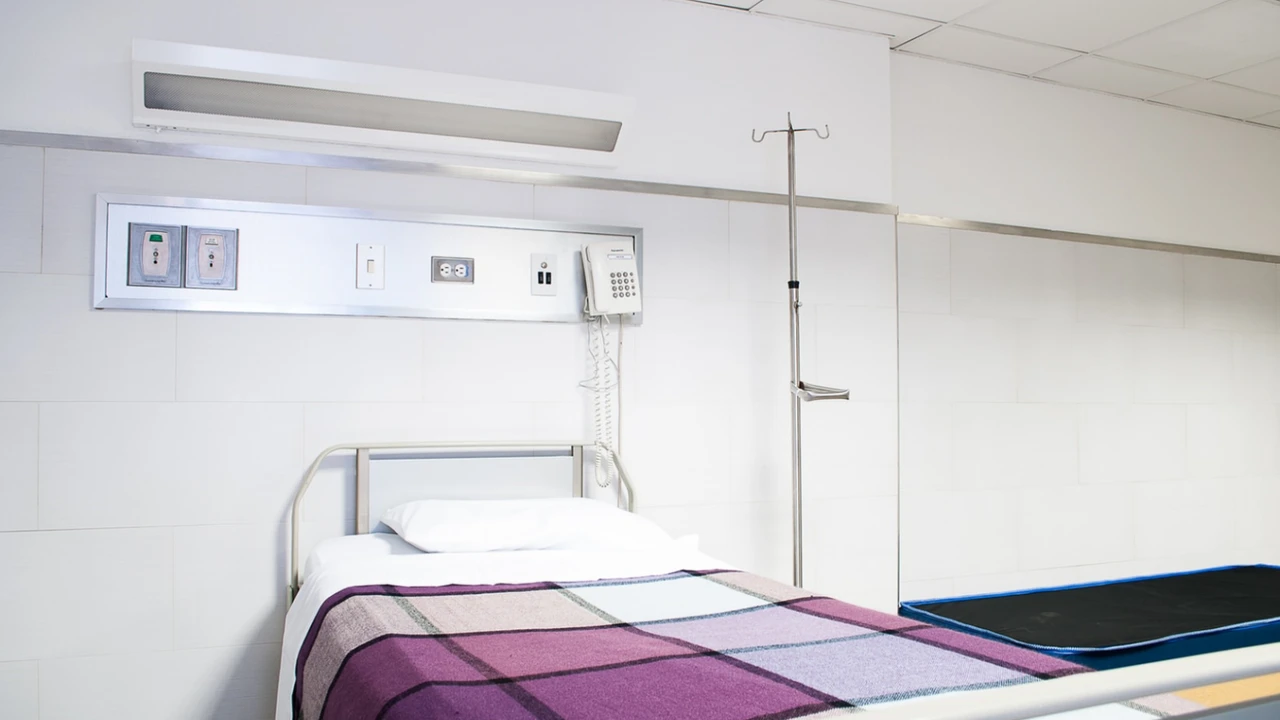
An in-depth look at smart beds that track vital signs and sleep patterns for senior health management.
Comparing Smart Beds for Health Monitoring
As we age, maintaining good health becomes increasingly important. For many seniors, monitoring vital signs and sleep patterns can be a crucial part of managing chronic conditions, preventing health issues, and simply ensuring a better quality of life. While traditional methods involve regular doctor visits and manual tracking, technology has introduced a revolutionary solution: smart beds. These innovative beds are designed to seamlessly integrate health monitoring into your daily routine, providing valuable insights without requiring conscious effort. But with a growing market, how do you choose the best smart bed for your needs? This comprehensive guide will compare leading smart beds, discuss their features, use cases, and pricing, helping you make an informed decision for yourself or your loved ones.
Understanding Smart Beds What are Smart Beds and How Do They Work
At its core, a smart bed is more than just a comfortable place to sleep. It's a sophisticated piece of technology equipped with an array of sensors and software designed to collect and analyze various health metrics while you rest. These sensors can be embedded within the mattress, integrated into the bed frame, or even placed as a mat under your existing mattress. The data collected typically includes heart rate, respiratory rate, sleep stages (light, deep, REM), sleep duration, sleep disturbances (like snoring or restless leg syndrome), and even body temperature. This information is then transmitted to a companion app on your smartphone or tablet, where it's presented in an easy-to-understand format, often with personalized insights and recommendations.
The primary goal of smart beds for seniors is to provide passive, continuous health monitoring. This means no uncomfortable wearables, no complicated setups, and no active participation required from the user. For caregivers, this offers invaluable peace of mind, allowing them to remotely monitor the well-being of their elderly family members. For seniors themselves, it empowers them with data-driven insights into their health, enabling proactive management and discussions with healthcare providers.
Key Features to Look For in a Smart Bed for Seniors Essential Health Monitoring Capabilities
When evaluating smart beds, several key features stand out as particularly beneficial for seniors:
- Heart Rate and Respiratory Rate Monitoring: Consistent tracking of these vital signs can help detect irregularities that might indicate underlying health issues, such as arrhythmias or respiratory problems.
- Sleep Stage Tracking: Understanding sleep cycles is crucial for assessing sleep quality. Poor sleep can impact cognitive function, mood, and overall health.
- Sleep Disturbance Detection: Features that identify snoring, sleep apnea events, or restless leg syndrome can be vital for addressing sleep disorders that significantly affect health.
- Movement and Presence Detection: Some beds can detect if a person has left the bed and not returned, which can be a critical safety feature for seniors at risk of falls.
- Adjustable Firmness and Support: Many smart beds offer customizable firmness zones, allowing users to adjust the bed to their preferred comfort level, which can alleviate pressure points and improve sleep quality.
- Temperature Regulation: Advanced smart beds can regulate the bed's temperature, ensuring optimal sleeping conditions throughout the night, which is especially helpful for seniors who may be more sensitive to temperature fluctuations.
- Smart Alarms and Gentle Wake-Ups: Instead of jarring alarms, some smart beds can gently wake you during a light sleep stage, making you feel more refreshed.
- Integration with Other Smart Home Devices: The ability to connect with other smart home devices (like smart lights or thermostats) can create a more integrated and comfortable living environment.
- User-Friendly App Interface: The companion app should be intuitive and easy to navigate, even for those who are not tech-savvy. Clear data visualization and actionable insights are paramount.
- Privacy and Data Security: Given the sensitive nature of health data, ensure the smart bed manufacturer has robust privacy policies and data encryption.
Top Smart Bed Recommendations for Senior Health Monitoring Leading Brands and Models
Let's dive into some of the most popular and highly-rated smart beds on the market, focusing on their features, use cases, and approximate pricing. Please note that prices can vary based on size, features, and ongoing promotions.
1. Sleep Number 360 Smart Bed The Personalized Sleep and Health Companion
Overview: Sleep Number is a pioneer in the smart bed industry, and their 360 Smart Bed series is renowned for its personalized comfort and integrated health monitoring. The bed uses 'SleepIQ' technology to track your sleep and automatically adjust firmness throughout the night to optimize spinal alignment and pressure relief. It monitors heart rate, respiratory rate, and movement, providing a daily SleepIQ score and insights into your sleep quality.
Key Features for Seniors:
- Responsive Air Chambers: Automatically adjust firmness on each side of the bed to your ideal comfort and support, adapting as you move. This is excellent for seniors with back pain or pressure point issues.
- SleepIQ Technology: Tracks sleep duration, quality, breathing, and heart rate. Provides personalized insights and recommendations to improve sleep.
- Snore Detection and Adjustment: If the bed detects snoring, it can gently raise the head of the bed by a few degrees to alleviate snoring, which can be a game-changer for partners.
- Foot Warming: Some models offer gentle foot warming, a comforting feature for seniors who often experience cold feet.
- Partner Compatibility: Each side of the bed can be independently adjusted, perfect for couples with different sleep preferences.
Use Cases: Ideal for seniors seeking personalized comfort, proactive sleep improvement, and continuous monitoring of vital signs. Great for those with chronic pain or sleep disturbances like snoring.
Approximate Pricing: Sleep Number 360 Smart Beds range from approximately $2,000 for entry-level models (like the c2 or c4) to over $10,000 for premium models (like the i8 or p6) with advanced features and adjustable bases. The most popular models for health monitoring typically fall in the $3,000 - $6,000 range.
2. Eight Sleep Pod Pro The Advanced Sleep and Temperature Regulator
Overview: The Eight Sleep Pod Pro is a high-tech mattress cover system that transforms any bed into a smart bed. It focuses heavily on temperature regulation, offering dynamic cooling and heating on each side of the bed. Beyond temperature, it tracks sleep stages, heart rate, respiratory rate, and provides a daily sleep fitness score. It's known for its precision and advanced algorithms.
Key Features for Seniors:
- Dynamic Temperature Regulation: Precisely controls the bed's temperature from 55°F to 110°F (12.8°C to 43.3°C) on each side, which is incredibly beneficial for seniors who struggle with night sweats or feeling cold.
- Advanced Biometric Tracking: Monitors heart rate, respiratory rate, and sleep stages with high accuracy.
- Gentle Wake Up Alarm: Uses gradual temperature changes and gentle vibrations to wake you up naturally during your lightest sleep stage.
- Health Insights and Coaching: The app provides detailed sleep reports and personalized recommendations to optimize sleep.
- Compatibility: Can be placed on top of most existing mattresses, making it a versatile option if you don't want to replace your entire bed.
Use Cases: Excellent for seniors who prioritize temperature control for optimal sleep, those who want highly accurate biometric data, and individuals looking for a non-invasive way to upgrade their current bed.
Approximate Pricing: The Eight Sleep Pod Pro Cover typically ranges from $2,000 to $3,000, depending on the size. This does not include the mattress itself, as it's a cover system.
3. Withings Sleep Tracking Mat The Discreet and Affordable Option
Overview: While not a full smart bed, the Withings Sleep Tracking Mat is an excellent and more affordable alternative for seniors who want to add sleep and health monitoring to their existing bed without a significant investment. This thin mat slides under your mattress and connects to the Withings Health Mate app, tracking sleep cycles, heart rate, snoring, and even detecting sleep apnea events.
Key Features for Seniors:
- Non-Invasive: Placed under the mattress, it's completely invisible and doesn't require any wearables.
- Comprehensive Sleep Analysis: Tracks sleep duration, depth, interruptions, and provides a Sleep Score.
- Heart Rate Tracking: Monitors resting heart rate, which can be an indicator of overall cardiovascular health.
- Snoring and Sleep Apnea Detection: Identifies snoring episodes and can detect patterns indicative of sleep apnea, prompting users to seek medical advice.
- Home Automation Integration: Can integrate with IFTTT (If This Then That) to control smart home devices, like turning off lights when you get into bed.
- Affordable: Significantly less expensive than a full smart bed.
Use Cases: Perfect for seniors on a budget, those who are comfortable with their current mattress but want to add smart monitoring, and individuals primarily interested in sleep quality and basic vital sign tracking.
Approximate Pricing: The Withings Sleep Tracking Mat typically costs around $100 - $150.
4. Beautyrest SmartMotion Base with Sleeptracker Monitor The Adjustable Base with Integrated Monitoring
Overview: The Beautyrest SmartMotion Base combines the benefits of an adjustable bed frame with integrated sleep tracking technology. This allows users to elevate their head and feet for optimal comfort and pressure relief, while the Sleeptracker Monitor passively tracks sleep metrics, heart rate, and respiratory rate. It's a good option for those looking to upgrade their entire sleep system.
Key Features for Seniors:
- Adjustable Base: Offers head and foot articulation, pre-set positions (like Zero Gravity), and massage functions, which can be highly beneficial for seniors with mobility issues, acid reflux, or circulation problems.
- Sleeptracker Technology: Embedded sensors monitor sleep stages, heart rate, and respiratory rate without contact.
- Snore Detection and Response: Can automatically adjust the head of the bed to reduce snoring.
- Voice Control: Some models offer voice control for adjusting the bed, adding convenience.
- Under-Bed Lighting: Provides gentle illumination for safe navigation at night.
Use Cases: Ideal for seniors who need or desire an adjustable bed for comfort or medical reasons, and also want integrated health monitoring. Good for those who snore or have circulation issues.
Approximate Pricing: The Beautyrest SmartMotion Base with Sleeptracker Monitor can range from $1,500 to $3,500, depending on the model and features. This price is for the adjustable base only, and does not include the mattress.
Comparing the Options Which Smart Bed is Right for You
Choosing the right smart bed depends on your specific needs, budget, and priorities. Here's a quick comparison to help you decide:
- For Ultimate Personalization and Comfort: Sleep Number 360 Smart Bed. It excels in adapting to your body and providing tailored comfort, along with robust health tracking.
- For Precise Temperature Control and Advanced Biometrics: Eight Sleep Pod Pro. If temperature is a major factor in your sleep quality, this system is unparalleled.
- For Budget-Friendly Monitoring of Existing Beds: Withings Sleep Tracking Mat. It's a fantastic entry-level option to gain valuable sleep insights without replacing your entire bed.
- For Adjustable Comfort and Integrated Tracking: Beautyrest SmartMotion Base with Sleeptracker Monitor. If you need an adjustable base for comfort or health reasons, this combines it with solid monitoring.
Real-World Scenarios How Smart Beds Benefit Seniors and Caregivers
Let's look at some practical ways smart beds can make a difference:
Scenario 1 Monitoring for Early Detection of Health Changes
Imagine an elderly individual, Sarah, who lives alone. Her children, who live in another state, are concerned about her well-being. Sarah's Sleep Number 360 Smart Bed continuously monitors her heart rate and respiratory rate. One morning, her daughter receives an alert on her SleepIQ app indicating a significant and sustained increase in Sarah's resting heart rate over several nights. This prompts her daughter to call Sarah and suggest she consult her doctor. The doctor discovers a mild infection that, if left untreated, could have led to more serious complications. The smart bed provided an early warning system, enabling proactive intervention.
Scenario 2 Improving Sleep Quality for Better Daily Functioning
John, a senior, has been feeling fatigued and irritable during the day, despite thinking he's getting enough sleep. His Eight Sleep Pod Pro reveals that he's spending very little time in deep sleep and is experiencing frequent micro-awakenings due to temperature fluctuations. The app suggests optimizing his bed temperature settings. After adjusting the temperature to a cooler setting, John starts experiencing more restorative deep sleep. He wakes up feeling more refreshed, his mood improves, and he has more energy for his daily activities.
Scenario 3 Ensuring Safety and Peace of Mind for Caregivers
Maria cares for her elderly mother, Elena, who sometimes gets out of bed at night and is at risk of falls. Elena uses a Withings Sleep Tracking Mat. Maria has set up an IFTTT integration that sends her a notification if Elena's mat detects she has been out of bed for more than 15 minutes during the night. One night, Maria receives the alert. She checks on Elena and finds her disoriented in the hallway. Maria is able to safely guide Elena back to bed, preventing a potential fall. This feature provides Maria with crucial peace of mind, knowing she'll be alerted if her mother needs assistance.
Scenario 4 Managing Chronic Conditions with Data
David has chronic back pain and struggles to find a comfortable sleeping position. His Beautyrest SmartMotion Base allows him to adjust the head and foot of the bed to find the 'Zero Gravity' position, which significantly reduces pressure on his spine. The integrated Sleeptracker Monitor also shows that his sleep quality improves dramatically when he uses this position. He can share this data with his physical therapist, who uses the information to tailor his exercise regimen, leading to better pain management and overall well-being.
Considerations Before Buying Smart Bed Installation and Maintenance
Before making a purchase, consider these practical aspects:
- Installation: Some smart beds require professional installation, while others are designed for DIY setup. Consider your comfort level with technology and physical exertion.
- Connectivity: Most smart beds require a stable Wi-Fi connection to transmit data to the app. Ensure good Wi-Fi coverage in the bedroom.
- App Usage: While the monitoring is passive, you'll need to interact with the companion app to view data and adjust settings. Ensure the senior or caregiver is comfortable using a smartphone or tablet.
- Maintenance: Like any mattress, smart beds require regular cleaning. Some components might need occasional updates or troubleshooting.
- Subscription Fees: Some smart bed features or advanced data insights might require a monthly or annual subscription. Always check for recurring costs.
- Warranty and Customer Support: Look for reputable brands with good warranties and responsive customer service, especially for a significant investment like a smart bed.
- Privacy: Understand how your health data is collected, stored, and used. Choose brands with strong privacy policies.
The Future of Sleep Technology Innovations on the Horizon
The smart bed market is continuously evolving. We can expect to see even more sophisticated features in the future, such as:
- More Advanced Health Diagnostics: Integration with more medical-grade sensors for detecting a wider range of health conditions, potentially even early signs of cognitive decline.
- Predictive Analytics: AI-powered systems that can predict potential health issues based on long-term data trends.
- Enhanced Personalization: Beds that learn your preferences and health needs over time, automatically adjusting settings for optimal comfort and health outcomes.
- Seamless Integration with Healthcare Systems: Direct sharing of data with doctors and caregivers (with user consent) for more holistic health management.
- Robotics and Mobility Assistance: Beds that can assist with getting in and out, or even repositioning, for seniors with severe mobility challenges.
Smart beds represent a significant leap forward in senior care, offering a blend of comfort, convenience, and crucial health insights. By carefully considering the features, use cases, and your budget, you can find a smart bed that not only enhances sleep quality but also contributes significantly to the overall health and well-being of seniors, providing peace of mind for both them and their families.
:max_bytes(150000):strip_icc()/277019-baked-pork-chops-with-cream-of-mushroom-soup-DDMFS-beauty-4x3-BG-7505-5762b731cf30447d9cbbbbbf387beafa.jpg)