Comparing Smart Medication Dispensers
A review of the best smart medication dispensers to ensure timely and accurate pill management for seniors.
A review of the best smart medication dispensers to ensure timely and accurate pill management for seniors.
Comparing Smart Medication Dispensers
Why Smart Medication Dispensers Matter for Seniors and Caregivers
Managing medications can be a complex and often overwhelming task, especially for seniors who may be dealing with multiple prescriptions, varying dosages, and strict schedules. Missing a dose or taking the wrong medication can have serious health consequences, leading to hospitalizations or worsening chronic conditions. This is where smart medication dispensers step in as a game-changer. These innovative devices are designed to simplify the process, providing timely reminders, dispensing the correct pills, and offering peace of mind to both seniors and their caregivers. They reduce the burden of manual pill sorting, eliminate guesswork, and significantly improve medication adherence, which is crucial for maintaining health and independence. For caregivers, smart dispensers offer remote monitoring capabilities, allowing them to track adherence and receive alerts, even when they can't be physically present. This technology empowers seniors to manage their health more effectively and live safer, more independent lives.
Key Features to Look for in Smart Pill Organizers
When choosing a smart medication dispenser, several key features can make a significant difference in its effectiveness and user-friendliness. Understanding these features will help you select the best device for your specific needs or those of your loved one.
Automated Dispensing and Timely Reminders
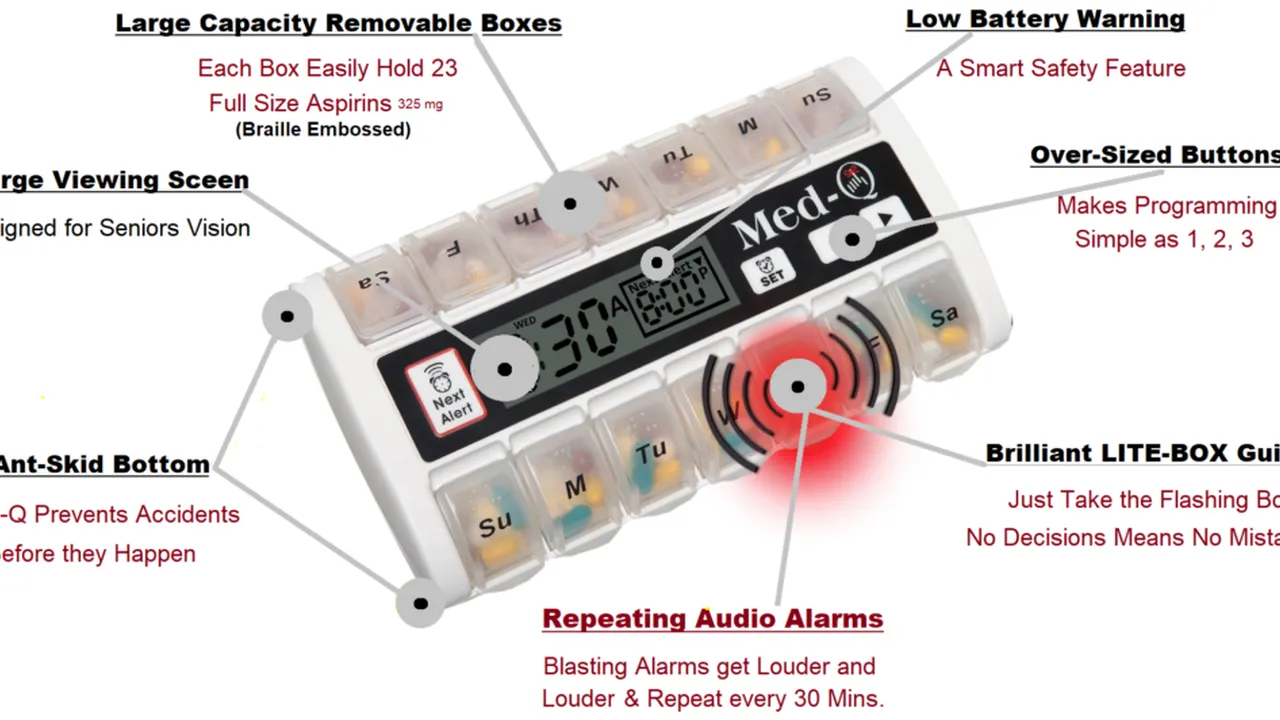
The core function of any smart dispenser is its ability to automatically dispense medications at scheduled times. Look for devices that offer customizable scheduling options, allowing for multiple doses per day and varying schedules for different medications. Equally important are the reminder systems. These should include audible alarms, visual cues (like flashing lights), and often, push notifications to a caregiver's smartphone. Some advanced models even offer phone calls or text messages as reminders, ensuring that no dose is missed.
Capacity and Compartment Design for Medication Management
Consider the number of compartments and the overall capacity of the dispenser. Some devices are designed for daily use with multiple doses, while others can hold a week's or even a month's supply of pills. The size of the compartments is also important, especially for individuals taking large pills or multiple medications per dose. Look for designs that prevent pills from getting stuck or mixed up.
Security Features and Tamper Prevention
Security is paramount to prevent accidental overdoses or unauthorized access. Most smart dispensers come with locking mechanisms that only release the scheduled dose. Some have tamper-proof designs that alert caregivers if the device is opened outside of a scheduled dispensing time. This feature is particularly important for individuals with cognitive impairments or those at risk of medication misuse.
Connectivity and Remote Monitoring for Caregivers
Many smart dispensers offer Wi-Fi or cellular connectivity, allowing caregivers to monitor medication adherence remotely. This means they can check if doses have been taken, receive alerts for missed doses, and even adjust schedules from a distance. This feature provides immense peace of mind for caregivers who cannot be present 24/7.
Battery Life and Power Options
Reliability is key. Check the battery life of the device and whether it has a backup power source in case of an outage. Long battery life ensures continuous operation, and a backup option prevents missed doses due to power interruptions.
Ease of Use and User Interface
For seniors, simplicity is crucial. The device should have a clear, intuitive interface with large buttons and easy-to-read displays. Programming and refilling should be straightforward, or at least manageable with minimal assistance. Voice prompts can also be a helpful feature.
Top Smart Medication Dispenser Products and Their Unique Benefits
Let's dive into some of the leading smart medication dispensers available on the market, comparing their features, use cases, and pricing to help you make an informed decision.
1. MedMinder Jon: Advanced Medication Adherence Solution
Description: The MedMinder Jon is a sophisticated smart pill dispenser designed for comprehensive medication management. It features locked compartments, visual and auditory alerts, and a cellular connection for remote monitoring. It's particularly well-suited for individuals with complex medication schedules or those requiring strict adherence.
Key Features:
- Locked Compartments: Pills are securely locked until the scheduled dispensing time, preventing accidental overdoses.
- Multiple Reminder Options: Flashing lights, loud alarms, and automated phone calls or text messages ensure doses are not missed.
- Cellular Connectivity: No Wi-Fi needed. Caregivers can monitor adherence and receive alerts remotely via a secure online portal.
- Daily and Weekly Trays: Offers flexibility for different medication schedules.
- Tamper Alerts: Notifies caregivers if the dispenser is opened outside of scheduled times.
Use Cases: Ideal for seniors with dementia or cognitive decline, individuals on complex medication regimens, and those living alone where remote monitoring is essential.
Pricing: Typically involves a monthly service fee (around $50-$70 USD) which includes the device rental, cellular service, and monitoring. Purchase options may also be available.
2. Philips Medication Dispenser: Reliable and User-Friendly
Description: The Philips Medication Dispenser is a widely recognized and trusted device known for its reliability and simplicity. It dispenses medications up to 6 times a day and provides clear audio and visual reminders. It's a great option for those seeking a straightforward and dependable solution.
Key Features:
- Automated Dispensing: Delivers the correct dose at the scheduled time.
- Audio and Visual Alerts: Loud beeps and flashing lights prompt users to take their medication.
- 24/7 Monitoring Service: Often paired with a monitoring service that contacts caregivers or emergency services if a dose is missed.
- Large Capacity: Can hold up to a 60-day supply of medications, depending on the schedule.
- Secure Design: Prevents access to unscheduled doses.
Use Cases: Suitable for seniors who need consistent reminders and a reliable dispensing mechanism. Excellent for individuals who might forget doses but are generally independent.
Pricing: Often available through a monthly service plan (around $40-$60 USD) that includes the dispenser and monitoring. Direct purchase may also be an option.
3. Hero Health Smart Dispenser: Modern and Connected
Description: The Hero Health Smart Dispenser is a sleek, modern device that not only dispenses pills but also tracks adherence and reorders prescriptions. It's designed for tech-savvy users and caregivers who appreciate a comprehensive, connected solution.
Key Features:
- Automated Sorting and Dispensing: Stores and dispenses up to a 90-day supply of up to 10 different medications.
- Personalized Reminders: Customizable audio and visual alerts, plus app notifications for users and caregivers.
- Medication Tracking: Records every dose taken, providing a detailed adherence history.
- Prescription Refill Management: Can alert users when it's time to refill prescriptions and even facilitate reorders.
- PIN Protection: Prevents unauthorized access to medications.
Use Cases: Best for individuals with multiple medications, those who want detailed adherence tracking, and caregivers who need robust remote monitoring and refill management.
Pricing: Typically involves a monthly subscription fee (around $30-$40 USD) after an initial device purchase (which can be several hundred dollars).
4. Livi Smart Pill Dispenser: High Capacity and User-Friendly Interface
Description: The Livi Smart Pill Dispenser is known for its large capacity and intuitive touchscreen interface. It can hold up to 15 different medications and dispenses them accurately, making it suitable for individuals with complex and varied medication needs.
Key Features:
- Large Capacity: Stores up to 15 different medications, each with its own hopper.
- Touchscreen Interface: Easy to program and manage schedules directly on the device.
- Automated Dispensing: Delivers precise doses at scheduled times.
- Audio and Visual Reminders: Clear prompts to take medication.
- Cloud Connectivity: Allows caregivers to monitor adherence and manage schedules remotely via a web portal or app.
- Medication Inventory Tracking: Keeps track of remaining pills and alerts for low supply.
Use Cases: Excellent for individuals with a high number of different medications, those who prefer a touchscreen interface, and caregivers who need comprehensive remote management.
Pricing: Often involves a monthly service fee (around $50-$70 USD) which includes the device and monitoring services.
5. Pria by Black & Decker: Companion and Dispenser
Description: Pria is more than just a medication dispenser; it's a smart home health assistant. It combines medication dispensing with video calling capabilities, health tracking, and voice interaction, making it a comprehensive solution for senior care.
Key Features:
- Automated Dispensing: Dispenses up to 10 doses per day from 28 compartments.
- Video Calling: Allows caregivers to check in with seniors via two-way video calls directly through the device.
- Voice Interaction: Users can ask Pria questions about their schedule or health.
- Facial Recognition: Ensures the correct person is taking the medication.
- Health Tracking: Can integrate with other health devices to track vital signs.
- Caregiver App: Provides remote monitoring, scheduling, and communication tools.
Use Cases: Ideal for seniors who benefit from regular check-ins, those who need a comprehensive health assistant, and caregivers who want integrated communication and monitoring.
Pricing: Typically involves an upfront device cost (around $300-$400 USD) plus a monthly subscription fee (around $30-$40 USD) for the service.
Choosing the Right Smart Medication Dispenser for Your Needs
Selecting the best smart medication dispenser depends heavily on the specific needs of the individual using it and their caregivers. Here are some scenarios and recommendations:
For Seniors with Cognitive Impairment or Dementia
For individuals who might forget doses or attempt to access medications outside of scheduled times, devices with strong security features and remote monitoring are crucial. The MedMinder Jon, with its locked compartments and cellular connectivity, is an excellent choice. Its tamper alerts provide an extra layer of safety. The Philips Medication Dispenser also offers robust security and a reliable monitoring service, making it a strong contender for this demographic.
For Complex Medication Regimens
If the individual takes many different medications at various times throughout the day, capacity and ease of programming become paramount. The Hero Health Smart Dispenser and the Livi Smart Pill Dispenser are both great options due to their ability to store and dispense a large number of different pills. Hero's refill management and Livi's touchscreen interface add significant convenience for complex schedules.
For Independent Seniors Needing Reminders
For seniors who are generally independent but occasionally forget a dose, a simpler, user-friendly device might suffice. The Philips Medication Dispenser is a straightforward and reliable choice. Its clear audio and visual prompts are effective without being overly complex. The Hero Health Smart Dispenser could also be a good fit if they are comfortable with technology and appreciate the detailed tracking.
For Caregivers Requiring Robust Remote Monitoring
Caregivers who live at a distance or have busy schedules will benefit most from devices with comprehensive remote monitoring capabilities. The MedMinder Jon, Hero Health Smart Dispenser, and Livi Smart Pill Dispenser all offer excellent caregiver apps or web portals that provide real-time adherence data, alerts for missed doses, and the ability to adjust schedules remotely. Pria by Black & Decker adds the unique benefit of video calling for direct check-ins.
Considering Budget and Ongoing Costs
It's important to factor in not just the initial purchase price but also any ongoing monthly subscription fees. Some devices, like MedMinder and Philips, are primarily offered through service plans that bundle the device and monitoring. Others, like Hero and Pria, have an upfront device cost followed by a monthly fee. Evaluate your budget and the long-term value of the features offered by each plan.
Setting Up and Maintaining Your Smart Dispenser
Once you've chosen a smart medication dispenser, proper setup and ongoing maintenance are key to its effectiveness.
Initial Setup and Programming
Carefully follow the manufacturer's instructions for initial setup. This typically involves programming the medication schedule, including the specific times and dosages for each pill. For devices with remote monitoring, you'll need to set up the caregiver account and link it to the dispenser. Take your time during this step to ensure accuracy, as incorrect programming can lead to medication errors.
Refilling and Loading Medications
Regularly refilling the dispenser is crucial. Establish a routine for checking the pill levels and refilling compartments before they run out. Many devices have indicators or send alerts when medication levels are low. Ensure that pills are loaded correctly into their designated compartments to prevent mixing or jamming.
Cleaning and Troubleshooting
Periodically clean the dispenser according to the manufacturer's guidelines to prevent dust buildup or pill residue from affecting its operation. If you encounter any issues, such as missed doses or dispensing errors, consult the device's troubleshooting guide or contact customer support. Many companies offer dedicated support lines for their smart dispensers.
The Future of Smart Medication Management
The field of smart medication management is continuously evolving. We can expect to see even more integrated solutions in the future, potentially combining medication dispensing with advanced health monitoring, AI-powered personalized health insights, and seamless integration with electronic health records. As technology advances, these devices will become even more intuitive, reliable, and indispensable for supporting healthy aging and independent living. The goal remains to empower seniors to take control of their health with confidence and ease, ensuring they receive the right medication at the right time, every time.
:max_bytes(150000):strip_icc()/277019-baked-pork-chops-with-cream-of-mushroom-soup-DDMFS-beauty-4x3-BG-7505-5762b731cf30447d9cbbbbbf387beafa.jpg)