Comparing Smart Pet Companions for Seniors
Evaluate smart robotic pets that provide companionship and comfort for older adults.
Evaluate smart robotic pets that provide companionship and comfort for older adults.
Comparing Smart Pet Companions for Seniors
The Growing Need for Companionship in Senior Living
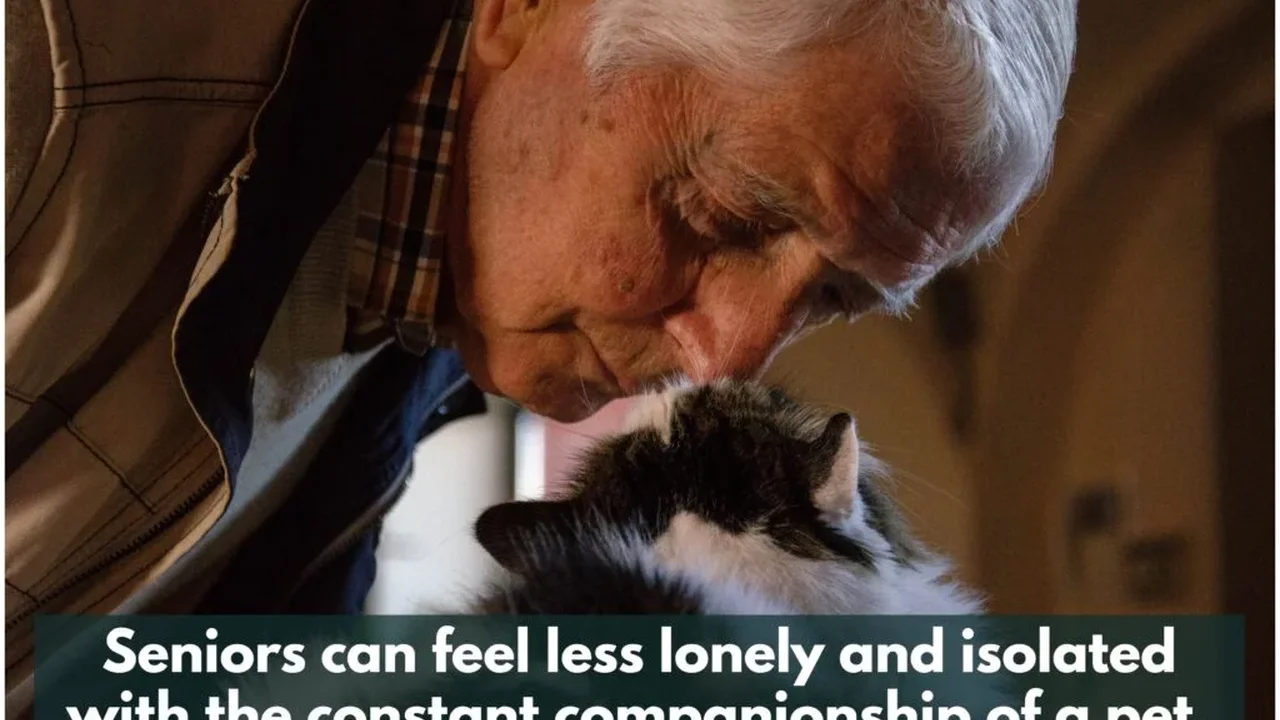
As we age, social circles can sometimes shrink, leading to feelings of loneliness and isolation. This is a significant concern for many seniors, impacting their mental and emotional well-being. While human interaction remains paramount, smart pet companions have emerged as a fascinating and increasingly popular solution to bridge this gap. These aren't just toys; they're sophisticated robotic devices designed to offer comfort, engagement, and a sense of purpose without the demanding responsibilities of a live animal. For seniors who may have mobility issues, allergies, or live in facilities with pet restrictions, smart robotic pets offer a viable and heartwarming alternative.
Understanding Smart Robotic Pets What They Are and What They Offer
Smart robotic pets are advanced technological creations that mimic the appearance, sounds, and sometimes even the movements of real animals. They are equipped with sensors and programming that allow them to respond to touch, sound, and light, creating an interactive experience. Unlike traditional stuffed animals, these companions can purr, bark, wag their tails, or even 'breathe,' providing a more lifelike and engaging presence. Their primary purpose is to provide emotional support, reduce stress, and stimulate cognitive function through interaction. They can be particularly beneficial for seniors with dementia or Alzheimer's, as the familiar presence of a 'pet' can evoke positive memories and provide a calming effect.
Key Features to Consider When Choosing a Smart Pet Companion
When selecting a smart pet companion for a senior, several factors come into play to ensure the best fit and maximum benefit. Consider the following:
- Realism and Sensory Feedback: How lifelike does it feel and sound? Does it respond to touch in a comforting way?
- Interactive Capabilities: Can it respond to voice commands? Does it have different modes of interaction (e.g., purring when petted, barking when spoken to)?
- Durability and Maintenance: Is it built to last? How easy is it to clean or recharge?
- Ease of Use: Is the operation straightforward for a senior, perhaps with limited tech experience?
- Battery Life: How long does it last on a single charge, and how convenient is recharging?
- Cost: What is the initial investment, and are there any ongoing costs?
- Specific Needs: Does the senior have any particular preferences (e.g., cat person vs. dog person)? Are there any cognitive or physical limitations that might influence the choice?
Top Smart Pet Companions A Detailed Comparison
Let's dive into some of the most popular and highly-rated smart pet companions available in the market, comparing their features, use cases, and pricing.
Joy for All Companion Pets by Ageless Innovation
Overview: Ageless Innovation's Joy for All Companion Pets are perhaps the most well-known and widely adopted robotic pets, specifically designed for seniors. They offer both cats and dogs, focusing on providing a realistic and comforting experience.
Key Features:
- Realistic Sounds and Vibrations: The cats purr and knead, while the dogs bark and have a 'heartbeat' sensation.
- Responsive Touch: They respond to petting and hugging with lifelike movements and sounds.
- Built-in Sensors: Respond to light and sound, making them interactive.
- Soft, Pet-like Fur: Designed to feel like a real animal.
- Battery Operated: Typically uses 4 C batteries, which are included.
Use Cases: Ideal for seniors seeking emotional comfort, reducing anxiety, and stimulating social interaction. Particularly effective for individuals with dementia or Alzheimer's, as they can provide a calming presence and evoke positive memories. They are often used in assisted living facilities and nursing homes.
Specific Models and Pricing:
- Joy for All Companion Cat (Orange Tabby, Silver, Creamy White): These cats purr, knead, and roll over when petted. They also have a 'vibration' that mimics purring. Price: Approximately $120 - $150 USD.
- Joy for All Companion Pup (Golden Pup, Freckled Pup): These dogs bark, wag their tails, and have a 'heartbeat' sensation. They respond to voice and touch. Price: Approximately $120 - $150 USD.
Pros: Highly realistic, excellent for emotional support, durable, easy to use, widely recognized and recommended by caregivers. No ongoing costs beyond battery replacement.
Cons: Limited advanced interactive features compared to some newer, more technologically advanced robots. Not rechargeable.
PARO Therapeutic Robot
Overview: PARO is a highly advanced therapeutic robot designed to provide the benefits of animal therapy to patients in hospitals and extended care facilities where live animals are not permitted. It's a robotic baby harp seal.
Key Features:
- Advanced AI and Sensors: Equipped with five types of sensors (tactile, light, audition, temperature, and posture) to perceive people and its environment.
- Learns and Responds: PARO can learn to behave in a way that the user prefers, responding to its name and developing its own 'personality.'
- Realistic Movements and Sounds: Moves its flippers, blinks, and makes seal-like sounds.
- Therapeutic Benefits: Clinically proven to reduce stress, stimulate interaction, and improve mood.
- Rechargeable Battery: Comes with a charging adapter.
Use Cases: Primarily used in clinical settings, nursing homes, and for individuals with severe cognitive impairments or those requiring intensive therapeutic intervention. Its high cost makes it less common for individual home use.
Specific Models and Pricing:
- PARO Therapeutic Robot: Available in white. Price: Extremely high, typically ranging from $6,000 - $8,000 USD, often purchased by institutions rather than individuals.
Pros: Highly sophisticated, clinically proven therapeutic benefits, very realistic interactions, learns user preferences.
Cons: Exorbitantly expensive, not designed for general consumer use, requires specialized charging.
Tombot Jennie Robotic Dog
Overview: Tombot Jennie is a robotic golden retriever puppy designed specifically for seniors with dementia and Alzheimer's. It focuses on providing a comforting and engaging experience through realistic movements and sounds.
Key Features:
- Realistic Movements: Features 16 motors for lifelike movements, including tail wagging, head tilts, and ear wiggles.
- Touch and Voice Responsive: Responds to petting and voice commands.
- Soft, Hypoallergenic Fur: Designed for comfortable interaction.
- Rechargeable Battery: Comes with a charging station.
- App Connectivity (Optional): Can be connected to an app for caregivers to monitor usage and adjust settings.
Use Cases: Excellent for individuals with cognitive decline, providing a sense of companionship and reducing agitation. Also suitable for seniors who miss having a pet but cannot care for one.
Specific Models and Pricing:
- Tombot Jennie Robotic Dog: Golden Retriever puppy. Price: Approximately $450 - $500 USD.
Pros: Very realistic movements, rechargeable, app connectivity for caregivers, specifically designed for dementia patients.
Cons: Higher price point than Joy for All pets, limited availability compared to more established brands.
AIBO Robotic Dog by Sony
Overview: While not exclusively designed for seniors, Sony's AIBO is a highly advanced robotic dog that offers sophisticated companionship and interaction. It's more of a high-tech companion than a therapeutic tool.
Key Features:
- Advanced AI and Cloud Connectivity: AIBO learns and develops its own personality over time, interacting with its environment and owners.
- Expressive Movements and Sounds: Highly articulate movements, expressive eyes, and a range of barks and whines.
- Facial Recognition: Can recognize family members and respond to them individually.
- Camera and Mapping: Can map its environment and navigate autonomously.
- Rechargeable Battery: Comes with a charging station.
- Subscription Service: Requires a subscription for full functionality and cloud services.
Use Cases: For tech-savvy seniors who enjoy advanced gadgets and want a highly interactive, evolving companion. Less about therapeutic comfort and more about engaging with cutting-edge robotics.
Specific Models and Pricing:
- Sony AIBO ERS-1000: White robotic dog. Price: Approximately $2,900 USD, plus an annual subscription fee (around $250 - $300 USD).
Pros: Extremely advanced AI, highly interactive, develops personality, very realistic and expressive.
Cons: Very expensive, requires an ongoing subscription, may be too complex for some seniors, not primarily a therapeutic device.
Moflin AI Pet by Vanguard Industries
Overview: Moflin is a unique AI pet that focuses on emotional intelligence and evolving personality. It's a small, furry creature that learns and expresses emotions.
Key Features:
- Emotional AI: Moflin has a 'mood' that changes based on interaction, expressing emotions through sounds and movements.
- Soft and Cuddly: Designed to be held and petted.
- Learns and Adapts: Its personality evolves over time based on how it's treated.
- Rechargeable: Comes with a wireless charging nest.
Use Cases: For seniors who appreciate a more abstract, emotionally responsive companion rather than a direct animal mimic. Good for gentle interaction and fostering a sense of nurturing.
Specific Models and Pricing:
- Moflin AI Pet: Small, furry creature. Price: Approximately $400 - $500 USD.
Pros: Unique emotional AI, very soft and comforting, learns and adapts.
Cons: Not a traditional animal mimic, may not appeal to everyone, relatively new to the market.
Beyond the Product Real-World Scenarios and Benefits
The impact of smart pet companions extends far beyond their technical specifications. Consider these real-world scenarios:
Reducing Loneliness and Isolation
Mrs. Lee, an 85-year-old living alone, often felt a profound sense of loneliness after her children moved away. Her Joy for All Companion Cat, 'Mittens,' now sits on her lap as she watches TV, purring contentedly. This simple presence has significantly reduced her feelings of isolation, giving her someone to 'talk' to and care for.
Stimulating Cognitive Engagement
Mr. Johnson, who has early-stage dementia, often struggles with memory and communication. Interacting with his Tombot Jennie, 'Buddy,' prompts him to speak, pet, and respond to its movements. This interaction provides a gentle form of cognitive stimulation, keeping his mind active and engaged in a non-stressful way.
Providing Comfort and Reducing Agitation
In a memory care unit, residents can sometimes experience agitation or anxiety. The presence of a PARO seal has been observed to have a calming effect, with residents often reaching out to pet it, leading to a noticeable reduction in restless behaviors and an increase in positive interactions among residents and staff.
Offering a Sense of Purpose
For seniors who previously owned pets but can no longer care for one, a smart pet companion can restore a sense of purpose. The act of 'feeding' (recharging), petting, and interacting with the robot can fulfill the innate human desire to nurture and care for another being.
Safe and Allergy-Friendly Alternative
Many seniors live in apartments or assisted living facilities with strict no-pet policies, or they may suffer from allergies. Smart robotic pets offer all the emotional benefits of a pet without any of the associated restrictions or health concerns. They don't require feeding, walking, or veterinary care, making them a low-maintenance option.
The Future of Smart Pet Companionship for Seniors
The field of smart pet companions is continuously evolving. We can anticipate even more realistic interactions, advanced AI capabilities, and perhaps integration with other smart home devices. Imagine a robotic pet that can remind a senior to take medication, or alert a caregiver if it senses a change in the senior's routine. As technology advances, these companions will become even more sophisticated, offering deeper levels of emotional support and practical assistance. The goal remains the same: to enhance the quality of life for seniors, providing comfort, companionship, and a touch of joy in their daily lives.
Choosing the right smart pet companion involves understanding the senior's individual needs, preferences, and technological comfort level. Whether it's a simple, comforting cat or a highly interactive robotic dog, these innovative devices are proving to be invaluable additions to the lives of many older adults, fostering connection and well-being in a unique and heartwarming way.
:max_bytes(150000):strip_icc()/277019-baked-pork-chops-with-cream-of-mushroom-soup-DDMFS-beauty-4x3-BG-7505-5762b731cf30447d9cbbbbbf387beafa.jpg)