Comparing Smart Reminiscence Therapy Tools
A review of smart tools that aid in reminiscence therapy for seniors with memory challenges.
A review of smart tools that aid in reminiscence therapy for seniors with memory challenges.
Comparing Smart Reminiscence Therapy Tools
Understanding Reminiscence Therapy for Seniors
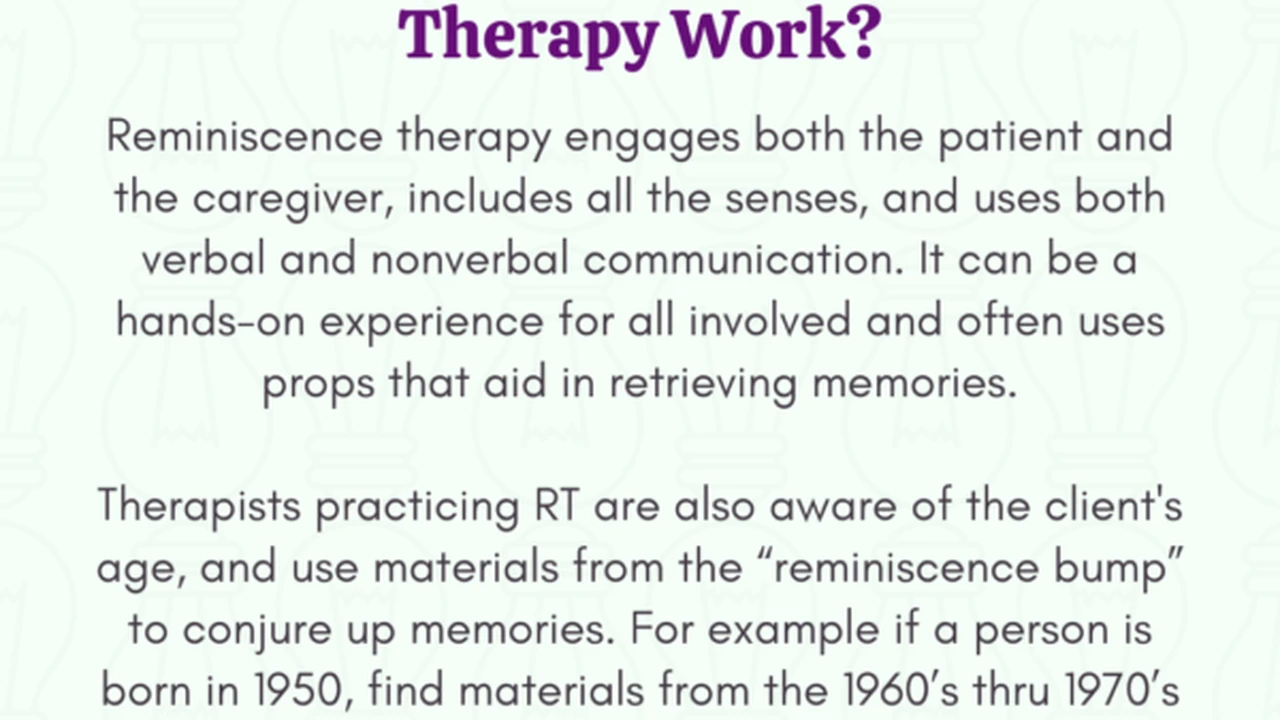
Reminiscence therapy, often shortened to RT, is a powerful and widely recognized intervention used to support older adults, especially those experiencing memory challenges like dementia or Alzheimer's disease. It's all about helping individuals recall and share memories from their past. Think of it as a gentle journey back in time, using prompts like old photos, familiar music, historical objects, or even scents and tastes to spark memories and encourage conversation. The goal isn't just to remember facts, but to evoke emotions, foster a sense of identity, and improve overall well-being. It can reduce agitation, improve mood, and even enhance communication skills. For caregivers, it provides a wonderful way to connect with their loved ones on a deeper level, understanding their life stories and experiences. Traditionally, reminiscence therapy has relied on physical objects: photo albums, scrapbooks, vintage household items, or classic music records. While these methods are incredibly effective and hold a special charm, they can sometimes be limited in scope, accessibility, and the sheer volume of content they can offer. This is where smart reminiscence therapy tools come into play, leveraging technology to create richer, more interactive, and personalized experiences.The Rise of Digital Reminiscence Therapy Solutions
The digital age has brought about a fascinating evolution in how we approach reminiscence therapy. Smart tools offer a vast array of possibilities, from accessing enormous archives of historical photos and videos to playing personalized music playlists from specific eras. They can provide interactive games, virtual tours of significant places, and even AI-powered companions that facilitate conversation. The beauty of these digital solutions lies in their ability to be highly customizable, portable, and capable of delivering a diverse range of sensory stimuli, making the therapy more engaging and effective for a wider audience. These tools aren't meant to replace human interaction, but rather to augment it. They can act as conversation starters, provide endless content, and even track engagement, helping caregivers tailor future sessions. For seniors who might be less mobile or have limited access to physical objects, digital tools open up a world of possibilities, bringing the past directly to them.Key Features to Look for in Smart Reminiscence Tools
When considering smart reminiscence therapy tools, it's important to evaluate their features to ensure they align with the needs of the individual and caregiver. Here are some crucial aspects to consider:Content Variety and Customization for Memory Recall
The richness of the content is paramount. Look for tools that offer a wide range of media: historical photos, videos, music, news clips, and even sounds from different eras. The ability to upload personal photos, videos, and music is also a huge plus, as familiar personal memories are often the most potent triggers. Customization options, such as creating personalized playlists or themed albums, allow for a more tailored and effective therapeutic experience.Ease of Use and Accessibility for Seniors
Simplicity is key. The interface should be intuitive, with large buttons, clear text, and minimal navigation steps. Voice commands can be incredibly helpful for those with dexterity issues. Consider devices with anti-glare screens and adjustable font sizes. Accessibility features, such as compatibility with assistive listening devices or screen readers, are also important.Interactive Elements and Engagement Features
Beyond passive viewing, interactive elements can significantly boost engagement. This could include touch-screen games, quizzes related to historical events, or virtual tours where users can 'explore' places from their past. Some tools even incorporate AI chatbots that can engage in conversations about memories, asking follow-up questions and providing relevant information.Privacy and Security Considerations for Personal Data
Since personal memories and potentially sensitive information might be uploaded, robust privacy and security measures are non-negotiable. Ensure the platform uses encryption, has clear data handling policies, and complies with relevant privacy regulations. Understanding who has access to the data and how it's stored is crucial for peace of mind.Caregiver Support and Monitoring Capabilities
For caregivers, features that allow them to easily manage content, track engagement, and even monitor the senior's mood or responses during sessions can be invaluable. Remote access for family members to upload content or participate in sessions can also enhance the experience.Top Smart Reminiscence Therapy Tools and Products
Let's dive into some specific products that exemplify smart reminiscence therapy, highlighting their unique features, use cases, and approximate pricing. Please note that prices can vary based on region, retailer, and specific models or subscription plans.GrandPad: The Senior-Friendly Tablet for Connection and Memories
Product Overview: The GrandPad is a purpose-built tablet designed from the ground up for seniors. It features an incredibly simple interface with large, colorful icons for common functions like video calls, email, photos, and games. It comes with pre-loaded apps and a dedicated support team. While not exclusively a reminiscence tool, its ease of use and focus on communication make it an excellent platform for digital reminiscence.
Use Cases: GrandPad excels at facilitating video calls with family, allowing seniors to see and talk to loved ones who can share old photos or discuss past events. Its photo and video gallery is easy to navigate, making it simple for seniors to browse personal memories uploaded by family members. The music app can be loaded with favorite songs from their youth, and the internet browser can be used to access historical news articles or videos. Its simplicity means less frustration and more engagement.
Comparison: Unlike a standard iPad or Android tablet, the GrandPad removes all the complexity. There are no app stores, no confusing settings, and no spam emails. It's a closed system, which enhances security and ease of use. This makes it ideal for seniors who are not tech-savvy or who might be overwhelmed by traditional tablets.
Approximate Price: GrandPad typically operates on a subscription model, which includes the tablet, unlimited data, and 24/7 customer support. This can range from $60-$75 per month, with some upfront costs for the device itself or discounted annual plans.
Echo Show: Alexa's Visual Gateway to the Past
Product Overview: The Amazon Echo Show is a smart display with Alexa built-in. It combines voice control with a visual screen, making it versatile for many uses, including reminiscence therapy. While not designed specifically for seniors, its voice-first interface and visual capabilities make it surprisingly effective.
Use Cases: Seniors can simply ask Alexa to play music from a specific decade or artist, display photos from a linked Amazon Photos account (which can be filled with family memories), or even show historical videos from YouTube. Caregivers can create custom routines, for example, having Alexa display a slideshow of family photos every morning or play a specific genre of music at certain times. The video call feature is also excellent for connecting with family.
Comparison: The Echo Show offers a more open ecosystem than GrandPad, allowing access to a wider range of content and skills. However, this also means it can be more complex to set up and manage, potentially requiring more caregiver involvement. Its strength lies in its voice control and integration with Amazon's vast content library.
Approximate Price: Echo Show devices vary in price depending on the screen size and model. The Echo Show 5 typically costs around $90, the Echo Show 8 around $130, and the Echo Show 10 (with a rotating screen) around $250. These are one-time purchases, though some services might require subscriptions (e.g., Amazon Music Unlimited).
Memory Lane TV: Curated Content for Cognitive Engagement
Product Overview: Memory Lane TV is a streaming service specifically designed for individuals with dementia and their caregivers. It offers a curated library of calming, engaging, and nostalgic content, including old TV shows, historical footage, nature scenes, and music from various eras. It's designed to be non-agitating and stimulating.
Use Cases: This service is perfect for passive reminiscence, providing background content that can spark conversation or simply create a calming atmosphere. Caregivers can select specific themes or decades to match the senior's interests or life experiences. It's particularly useful for individuals who might find interactive devices too challenging but still benefit from visual and auditory stimulation.
Comparison: Unlike a general streaming service, Memory Lane TV's content is carefully selected to be appropriate and beneficial for individuals with cognitive decline, avoiding potentially confusing or distressing material. It's less about active interaction and more about providing a therapeutic environment through curated media.
Approximate Price: Memory Lane TV typically operates on a subscription model, often around $10-$15 per month, or discounted annual plans.
Rendever: Virtual Reality for Immersive Memory Journeys
Product Overview: Rendever is a virtual reality (VR) platform specifically developed for seniors, particularly those in senior living communities. It uses VR headsets to transport users to various locations, from their childhood homes (if 360-degree photos are available) to famous landmarks, or even to experience events like concerts or nature walks.
Use Cases: Rendever offers an incredibly immersive reminiscence experience. Seniors can 'revisit' their hometowns, 'travel' to places they've always wanted to see, or 'attend' historical events. This can trigger vivid memories and provide a powerful sense of presence. It's also excellent for social engagement, as groups of seniors can experience these virtual journeys together, fostering shared discussions.
Comparison: Rendever stands out due to its immersive VR technology, offering a level of sensory engagement that 2D screens cannot match. However, it requires specialized VR headsets and often a facilitator, making it more common in professional care settings rather than individual home use. It's a more advanced and potentially more expensive solution.
Approximate Price: Rendever is primarily sold to senior living communities and healthcare facilities, not individual consumers. Pricing is typically enterprise-level, involving licensing fees for the software and the VR hardware, which can range from thousands to tens of thousands of dollars annually depending on the scale.
StoryWorth: Digital Storytelling for Legacy and Reflection
Product Overview: StoryWorth isn't a device, but a service that helps individuals write their life story. Each week, it sends email prompts with questions about life experiences. The senior (or a family member assisting them) responds to these prompts, and at the end of the year, all the stories are compiled into a beautiful hardcover book.
Use Cases: While not 'smart' in the traditional tech sense, StoryWorth is a powerful tool for structured reminiscence. The weekly prompts encourage reflection and recall, helping seniors organize their memories into a coherent narrative. It's a fantastic way to create a lasting legacy for future generations and can be a very therapeutic process for the senior themselves.
Comparison: StoryWorth is unique in its focus on written narrative and legacy creation. It's less about immediate interaction with media and more about guided self-reflection and documentation. It requires a certain level of cognitive ability to participate in writing or dictating responses, or significant assistance from a caregiver.
Approximate Price: StoryWorth typically costs around $99 for a one-year subscription, which includes the weekly prompts and the final hardcover book.
:max_bytes(150000):strip_icc()/277019-baked-pork-chops-with-cream-of-mushroom-soup-DDMFS-beauty-4x3-BG-7505-5762b731cf30447d9cbbbbbf387beafa.jpg)