Comparing Smart Urinalysis Devices for Health
A review of smart urinalysis devices that offer early detection of health issues for seniors.
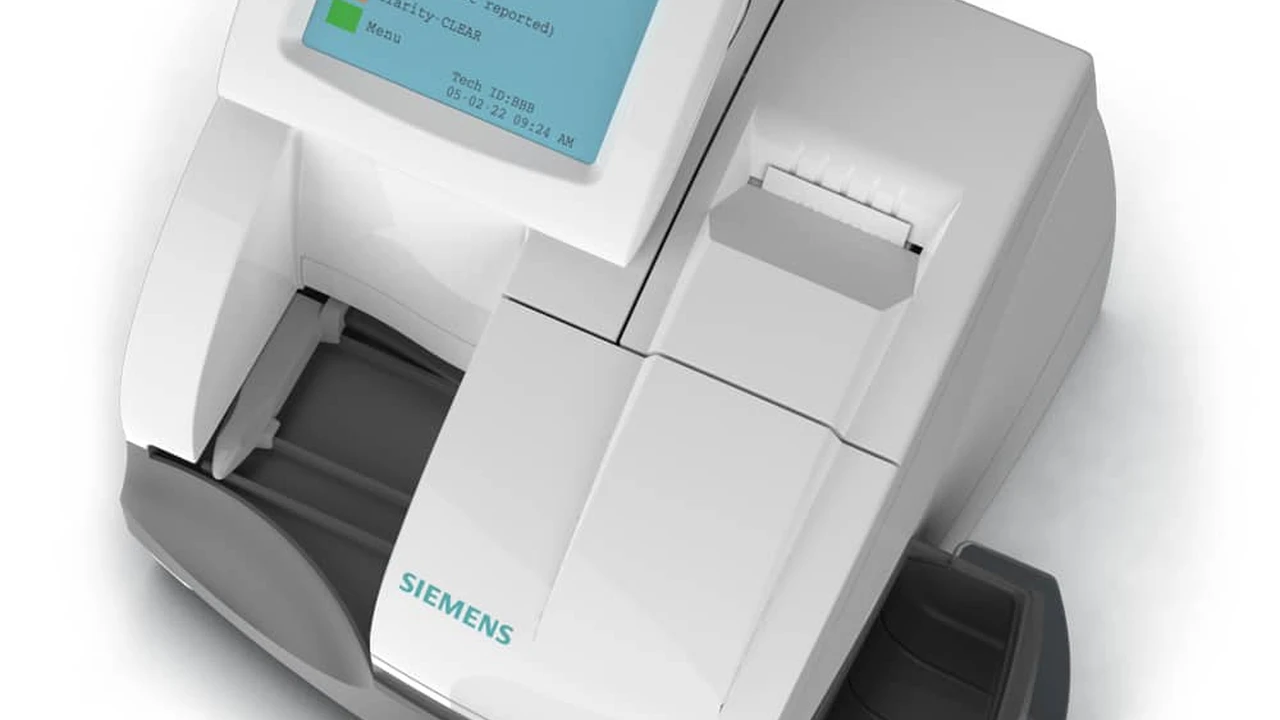
A review of smart urinalysis devices that offer early detection of health issues for seniors.
Comparing Smart Urinalysis Devices for Health
The Rise of Smart Urinalysis Devices for Senior Health Monitoring
Hey there! Let's talk about something pretty cool and super important for senior health: smart urinalysis devices. You might be thinking, "Urinalysis? Really?" But trust me, these aren't your grandma's old-school dipsticks. We're talking about cutting-edge tech that can give you and your loved ones a heads-up on potential health issues right from the comfort of home. For seniors, especially those managing chronic conditions or just wanting to stay on top of their health, these devices are a game-changer. They offer a non-invasive, convenient way to monitor various health markers that can indicate everything from hydration levels to kidney function and even early signs of infection. This proactive approach can save trips to the doctor, provide peace of mind, and potentially catch problems before they become serious. So, let's dive into what these devices are, why they're so beneficial, and which ones might be the best fit for you or your family.
Why Smart Urinalysis Matters for Seniors Early Detection and Convenience
So, why are smart urinalysis devices such a big deal for seniors? Well, for starters, they offer incredible convenience. Imagine being able to get a snapshot of your health without leaving your house. No more scheduling appointments just for a routine urine test, no more waiting in crowded clinics. This is especially valuable for seniors with mobility issues or those living in remote areas. But it's not just about convenience; it's about early detection. Urine can tell us a lot about what's going on inside the body. Changes in pH, glucose, protein, ketones, or even the presence of blood can be early indicators of various health conditions. For example, elevated glucose levels could signal uncontrolled diabetes, while protein in the urine might point to kidney issues. Urinary tract infections (UTIs) are also common in seniors and can sometimes present with subtle symptoms, making early detection through urinalysis crucial to prevent more serious complications. These smart devices can track these markers over time, providing valuable data trends that can be shared with healthcare providers. This allows for more informed discussions and timely interventions, ultimately leading to better health outcomes. It's about empowering seniors and their caregivers with the information they need to make proactive health decisions.
How Smart Urinalysis Devices Work Technology Behind the Test
Curious about how these smart gadgets actually work? It's pretty fascinating! Most smart urinalysis devices utilize a combination of traditional dipstick technology and modern digital imaging and analysis. Here's the general rundown:
- The Test Strip: Just like the ones used in clinics, these strips have small pads treated with chemicals that react to specific substances in your urine. Each pad changes color when it comes into contact with a particular marker, like glucose, protein, or leukocytes.
- The Device: This is where the 'smart' part comes in. After you dip the strip into a urine sample, you insert it into the device. The device typically has a camera or sensor that captures an image of the reacted test strip.
- Digital Analysis: The device's internal software then analyzes the color changes on each pad. It compares these colors to a calibrated scale, providing a precise, objective reading. This eliminates the subjectivity that can sometimes occur with manual visual interpretation of dipsticks.
- Data Transmission: The results are then sent to a connected smartphone app or a cloud-based platform via Bluetooth or Wi-Fi. This allows you to view your results instantly, track them over time, and often share them securely with your doctor.
- App Features: The accompanying apps are usually packed with features. They can provide explanations of what each marker means, offer personalized insights, remind you to take tests, and even suggest when it might be a good idea to consult a healthcare professional based on your readings. Some advanced apps might even integrate with other health tracking devices for a more holistic view of your health.
This automated process ensures accuracy and consistency, making it much easier for seniors and their caregivers to perform tests and understand the results without needing specialized medical training.
Key Features to Look For Choosing Your Smart Urinalysis Device
When you're looking to pick out a smart urinalysis device, there are a few key features you'll want to keep an eye out for to make sure it's the right fit for your needs. Think about what's most important for the senior using it:
Accuracy and Reliability Consistent Results Matter
This is probably the most crucial factor. You want a device that provides consistent and accurate readings. Look for devices that have been clinically validated or have good reviews regarding their precision. After all, the whole point is to get reliable health insights.
Ease of Use User Friendly Design for Seniors
Seniors might not be tech-savvy, so simplicity is key. Is the device easy to handle? Is the app intuitive with large fonts and clear instructions? Can the test strip be inserted without fumbling? A complicated device will likely end up gathering dust.
Number of Markers Tested Comprehensive Health Insights
Different devices test for different numbers of parameters. Some might just check for glucose and protein, while others offer a more comprehensive panel including pH, specific gravity, leukocytes, nitrites, bilirubin, urobilinogen, and blood. Consider what health conditions are relevant to the senior and choose a device that covers those markers.
Connectivity and App Features Seamless Data Management
How does the device connect to your phone or tablet? Bluetooth is common. What does the app offer? Look for features like historical data tracking, trend analysis, personalized insights, reminders, and the ability to easily share results with a doctor. A user-friendly app enhances the overall experience significantly.
Cost of Consumables Long Term Affordability
The initial device cost is one thing, but don't forget about the ongoing cost of test strips. Some brands might have cheaper devices but more expensive strips, which can add up over time, especially if frequent testing is needed. Do a quick calculation to understand the long-term expense.
Privacy and Data Security Protecting Your Health Information
Since you're dealing with sensitive health data, ensure the device and its accompanying app have robust privacy and data security measures in place. Look for encryption and clear privacy policies.
Customer Support and Warranty Peace of Mind
Good customer support can be a lifesaver if you run into issues. Check reviews for responsiveness and helpfulness. A decent warranty also provides peace of mind.
Top Smart Urinalysis Devices on the Market Product Comparisons
Alright, let's get to the exciting part: looking at some of the best smart urinalysis devices available right now. Keep in mind that the market is always evolving, but these are some solid contenders that offer great features for seniors.
1. Healthy.io Dip.io Kidney and UTI Test
Overview: Healthy.io is a well-known name in the digital health space, and their Dip.io kit is designed to turn your smartphone into a clinical-grade urinalysis device. It's particularly focused on kidney health and UTI detection, making it super relevant for seniors.
Key Features:
- Smartphone Integration: Uses your phone's camera to analyze the test strip, which is pretty neat.
- Clinical Accuracy: Healthy.io boasts FDA clearance and clinical validation, giving you confidence in the results.
- Guided Process: The app provides clear, step-by-step instructions, making it easy to perform the test correctly.
- Focus on Key Markers: Tests for protein, leukocytes, nitrites, and blood, which are crucial for kidney health and UTI detection.
- Results Sharing: Easily share results with your doctor directly from the app.
Use Case for Seniors: Ideal for seniors who need regular monitoring for kidney disease, diabetes complications, or frequent UTIs. It's also great for those who are comfortable using a smartphone and appreciate a guided testing process.
Pros: High accuracy, user-friendly app, strong focus on relevant health markers for seniors, FDA cleared.
Cons: Requires a smartphone, might not test for as many parameters as some other devices, initial kit cost can be a bit higher.
Estimated Price: A starter kit typically ranges from $50-$70, with refill strips costing around $20-$30 for a pack of 3-5 tests.
2. Vivoo Smart Urinalysis Test Strips
Overview: Vivoo offers a broader range of wellness insights beyond just disease detection. While it still provides important health markers, it also focuses on hydration, pH, ketones, and even vitamin C levels, giving a more holistic view of your well-being.
Key Features:
- Wellness-Oriented: Provides personalized nutritional and lifestyle advice based on your urine results.
- Multiple Markers: Tests for 9-10 different parameters, including hydration, pH, ketones, protein, glucose, nitrites, leukocytes, and more.
- Simple App Interface: The app is designed to be very user-friendly, with clear explanations of results and actionable recommendations.
- Subscription Model: Often sold as a subscription for regular testing, which can be convenient for ongoing monitoring.
Use Case for Seniors: Excellent for active seniors who are interested in optimizing their overall wellness, tracking hydration, or managing dietary needs (e.g., ketogenic diets). Also good for general health monitoring.
Pros: Comprehensive wellness insights, easy-to-understand recommendations, broad range of markers, subscription option for convenience.
Cons: Not specifically FDA-cleared for medical diagnosis (more for wellness), ongoing subscription cost, might be overkill if you only need specific disease markers.
Estimated Price: A starter pack with a few strips might be $20-$40, with subscription plans ranging from $15-$30 per month depending on the frequency of tests.
3. Scanwell Health UTI Test
Overview: Scanwell Health is another strong contender, particularly for UTI detection. They offer an at-home UTI test that integrates with their app, providing results quickly and even offering telehealth consultations if needed.
Key Features:
- Dedicated UTI Focus: Specifically designed and validated for detecting UTIs, which is a common concern for seniors.
- Telehealth Integration: A standout feature is the option to connect with a healthcare provider through their app for a prescription if your results indicate a UTI. This is incredibly convenient.
- Quick Results: Get results in minutes, allowing for rapid action if an infection is present.
- Easy to Use: The app guides you through the process, similar to Healthy.io.
Use Case for Seniors: Perfect for seniors prone to UTIs or those who want a quick and easy way to check for an infection without an immediate doctor's visit. The telehealth option is a huge plus for accessibility.
Pros: Fast results, direct telehealth option, highly accurate for UTI detection, very user-friendly.
Cons: Primarily focused on UTIs, so it doesn't offer a broad range of general health markers, requires a smartphone.
Estimated Price: A single test kit might be around $15-$25, with multi-packs offering better value. Telehealth consultation fees would be separate.
4. Urinox-10 Urine Test Strips with App Integration (Various Brands)
Overview: While not a single brand, there are several manufacturers offering Urinox-10 type urine test strips that can be read and tracked using third-party apps. These strips typically test for 10 different parameters, offering a comprehensive overview.
Key Features:
- Broad Spectrum: Tests for glucose, bilirubin, ketones, specific gravity, blood, pH, protein, urobilinogen, nitrite, and leukocytes.
- Cost-Effective: The strips themselves are generally very affordable, especially when bought in bulk.
- App Compatibility: Many generic strips can be used with apps like 'Urine Test Analyzer' or 'Urine Test Reader' (check app store for specific names and reviews) that use your phone's camera for analysis.
Use Case for Seniors: Good for seniors or caregivers who want a comprehensive, budget-friendly option for general health screening and monitoring. Requires a bit more self-reliance in finding a compatible and reliable app.
Pros: Very affordable per test, comprehensive range of markers, widely available.
Cons: Relies on third-party apps which might vary in quality and accuracy, less integrated experience compared to dedicated systems, no direct telehealth or personalized advice.
Estimated Price: A pack of 100 strips can be as low as $10-$20. The apps are often free or have a small one-time purchase fee.
Setting Up and Using Your Device A Step by Step Guide
Getting started with a smart urinalysis device is usually pretty straightforward, but here's a general step-by-step guide to give you an idea:
- Unbox and Charge: If your device has a rechargeable battery, make sure it's fully charged before first use.
- Download the App: Find the companion app for your device in the Apple App Store or Google Play Store. Download and install it on your smartphone or tablet.
- Create an Account: Open the app and follow the prompts to create a user account. You might need to enter some basic health information (like age, gender) to help personalize insights.
- Pair the Device: Most devices connect via Bluetooth. Follow the app's instructions to pair your device with your phone. This usually involves turning on Bluetooth on your phone and pressing a button on the device.
- Collect a Sample: Collect a midstream urine sample in a clean, dry container. Early morning urine is often recommended for the most concentrated results.
- Dip the Strip: Carefully dip the test strip into the urine sample, ensuring all the pads are fully immersed. Follow the specific timing instructions from your device's manual or app (usually just a few seconds).
- Remove Excess Urine: Gently tap the side of the strip against the rim of the container to remove any excess urine. Don't wipe the pads.
- Insert into Device/Scan with Phone: Depending on your device, you'll either insert the strip into a designated slot on the device or place it on a specific color card and use your phone's camera to scan it through the app.
- Wait for Analysis: The device or app will then analyze the strip. This usually takes a minute or two.
- View Results: Your results will appear on the app screen. The app will typically explain what each reading means and highlight any abnormal results.
- Track and Share: The app will store your historical data, allowing you to track trends over time. You'll also usually have an option to generate a report or share your results directly with your healthcare provider.
Always refer to the specific instructions that come with your chosen device, as there might be slight variations in the process.
Interpreting Your Results What Do the Numbers Mean
Understanding your urinalysis results can feel a bit like deciphering a secret code, but don't worry, the apps usually do a great job of breaking it down for you. Here's a quick rundown of some common markers and what they might indicate:
Glucose Blood Sugar Levels
What it means: Glucose in urine (glucosuria) usually indicates high blood sugar levels. Normally, your kidneys reabsorb all glucose back into the bloodstream.
Significance for Seniors: A common sign of uncontrolled diabetes or pre-diabetes. Regular monitoring is crucial for diabetics.
Protein Kidney Function Indicator
What it means: Protein in urine (proteinuria) can be a sign of kidney damage or disease. Small amounts might be normal, but consistently elevated levels are a concern.
Significance for Seniors: Important for monitoring kidney health, especially for those with high blood pressure or diabetes, which can damage kidneys over time.
Leukocytes White Blood Cells Infection Alert
What it means: The presence of white blood cells in urine often indicates an infection, most commonly a urinary tract infection (UTI).
Significance for Seniors: UTIs can be serious in older adults and may present with atypical symptoms. Early detection is key to prompt treatment.
Nitrites Bacterial Presence
What it means: Nitrites are produced by certain types of bacteria commonly found in UTIs. A positive nitrite test strongly suggests a bacterial infection.
Significance for Seniors: Another strong indicator of a UTI, often used in conjunction with leukocytes for confirmation.
pH Acidity or Alkalinity
What it means: Measures how acidic or alkaline your urine is. Normal pH is usually slightly acidic.
Significance for Seniors: Can indicate kidney stones, UTIs, or metabolic issues. Certain diets or medications can also affect pH.
Specific Gravity Hydration Levels
What it means: Measures the concentration of particles in your urine. High specific gravity means concentrated urine, often due to dehydration.
Significance for Seniors: Dehydration is a common and serious issue for older adults. This marker helps monitor hydration status.
Ketones Fat Metabolism
What it means: Ketones are produced when the body breaks down fat for energy instead of glucose. This can happen with very low-carb diets, fasting, or uncontrolled diabetes.
Significance for Seniors: In diabetics, high ketones can indicate diabetic ketoacidosis, a medical emergency. For others, it might reflect dietary choices.
Blood Red Blood Cells
What it means: Blood in urine (hematuria) can indicate a variety of conditions, from UTIs and kidney stones to more serious issues like kidney disease or bladder cancer.
Significance for Seniors: Always requires follow-up with a doctor to determine the cause.
Remember, these devices are for monitoring and early detection, not for self-diagnosis. Always discuss any abnormal or concerning results with your healthcare provider. The app will usually guide you on when to seek medical advice.
Benefits Beyond Detection Proactive Health Management
The advantages of smart urinalysis devices for seniors go way beyond just detecting potential problems. They really empower a more proactive approach to health management. Think about it:
Empowering Self-Monitoring Taking Control of Health
These devices give seniors a sense of control over their health. They can actively participate in monitoring their well-being, which can be incredibly empowering. This engagement can lead to better adherence to treatment plans and a greater understanding of their own body.
Trend Analysis and Early Intervention Spotting Changes
By tracking results over time, you can spot trends that might not be obvious from a single test. A gradual increase in protein, for example, could signal a worsening kidney condition, prompting earlier intervention. This trend data is invaluable for doctors to make informed decisions.
Reduced Doctor Visits and Healthcare Costs Convenience and Savings
For routine monitoring or initial checks for common issues like UTIs, these devices can reduce the need for frequent doctor visits. This saves time, travel costs, and potentially co-pays, making healthcare more accessible and affordable for seniors.
Peace of Mind and Reduced Anxiety Emotional Well-being
Knowing that you can quickly check for common issues like UTIs or monitor chronic conditions from home can significantly reduce anxiety. It provides peace of mind for both seniors and their caregivers, knowing that they have a tool for early detection.
Improved Communication with Healthcare Providers Better Discussions
Having concrete data from regular home tests can lead to more productive conversations with doctors. Instead of just describing symptoms, seniors can present objective data, helping their physicians make more accurate diagnoses and tailor treatment plans more effectively.
Promoting Healthy Habits Lifestyle Adjustments
Some devices, like Vivoo, offer personalized recommendations based on results. This can encourage seniors to make healthier lifestyle choices, such as increasing water intake if they're dehydrated or adjusting their diet based on specific markers. It turns data into actionable steps for better health.
Potential Challenges and Considerations What to Keep in Mind
While smart urinalysis devices offer fantastic benefits, it's also important to be aware of some potential challenges and considerations before diving in:
Not a Substitute for Professional Medical Advice Always Consult a Doctor
This is probably the most important point. These devices are screening and monitoring tools, not diagnostic ones. They can give you valuable information, but they cannot replace a doctor's diagnosis or treatment plan. Any abnormal or concerning results should always be discussed with a healthcare professional.
User Error and Accuracy Getting it Right
The accuracy of the results heavily depends on correct sample collection and test strip handling. If the instructions aren't followed precisely (e.g., incorrect dipping time, not removing excess urine), the results might be inaccurate. This is where user-friendliness and clear instructions become paramount, especially for seniors who might have dexterity or cognitive challenges.
Connectivity Issues and Tech Savvy Requirements Troubleshooting
While many apps are designed to be simple, some seniors might still struggle with smartphone pairing, app navigation, or troubleshooting connectivity issues. Reliable internet access is also a must for data transmission. Caregiver support might be necessary in these cases.
Cost of Consumables Long-Term Expense
As mentioned earlier, the ongoing cost of test strips can add up, especially if frequent testing is required. This needs to be factored into the budget. Some devices might also require specific, proprietary strips, limiting options.
Data Privacy and Security Protecting Sensitive Information
When health data is being transmitted and stored in the cloud, privacy and security are critical. Users should ensure they understand the device's and app's privacy policies and that robust encryption and data protection measures are in place.
Limited Scope of Testing What It Can't Do
While these devices test for several important markers, they don't provide a complete picture of health. They can't detect every condition, and a doctor might still order additional blood tests or other diagnostic procedures based on symptoms or other health factors. They are a piece of the puzzle, not the whole puzzle.
False Positives or Negatives Understanding Limitations
Like any test, there's always a small chance of false positives (a positive result when there's no issue) or false negatives (a negative result when there is an issue). Understanding these limitations and not panicking over a single abnormal reading is important. Trends over time are usually more indicative.
The Future of Smart Urinalysis Innovation on the Horizon
The field of smart health technology is constantly evolving, and smart urinalysis is no exception. We can expect to see even more exciting developments in the coming years that will make these devices even more powerful and accessible for seniors:
More Comprehensive Testing Broader Health Insights
Future devices might be able to test for an even wider array of biomarkers, potentially including markers for specific cancers, neurological conditions, or even early signs of cardiovascular disease. This would provide an even more holistic view of health from a simple urine sample.
Enhanced AI and Machine Learning Smarter Insights
Artificial intelligence and machine learning will play an even bigger role in analyzing results and identifying subtle patterns or risks that might be missed by human eyes. AI could provide more personalized and predictive health insights, suggesting interventions even before symptoms appear.
Integration with Other Health Platforms Holistic Health Ecosystems
Imagine your smart urinalysis data seamlessly integrating with your smart blood pressure monitor, glucose meter, and wearable fitness tracker. This would create a comprehensive health ecosystem, allowing for a truly holistic view of a senior's well-being, easily shareable with their entire care team.
Non-Invasive and Continuous Monitoring Next-Gen Sensors
While current devices require a urine sample, future innovations might explore even less invasive methods, perhaps through smart toilets that can analyze urine automatically and continuously, providing real-time health updates without any effort from the user. This would be a game-changer for passive monitoring.
Improved Accessibility and Affordability Wider Adoption
As technology advances and production scales, we can expect these devices to become even more affordable and user-friendly, making them accessible to a broader population of seniors, regardless of their tech proficiency or income level. Simplified interfaces and voice commands could also become standard.
Telemedicine and Remote Care Integration Seamless Healthcare
The integration with telemedicine platforms will likely become even more robust, allowing for immediate virtual consultations based on test results, prescription fulfillment, and remote monitoring by healthcare providers. This will further bridge the gap between home health monitoring and professional medical care.
These advancements promise to make smart urinalysis an even more indispensable tool in the proactive health management of seniors, helping them live healthier, more independent lives.
Making the Smart Choice for Senior Health
So, there you have it! Smart urinalysis devices are a fantastic addition to the toolkit for senior health management. They offer unparalleled convenience, empower proactive monitoring, and can provide crucial early warnings for a range of health conditions, from UTIs to kidney issues and diabetes complications. While they're not a replacement for your doctor, they're a powerful ally in staying on top of things. When choosing one, remember to prioritize accuracy, ease of use, and the specific health markers that are most relevant to the senior in question. Consider the ongoing cost of test strips and how well the app integrates with their lifestyle. By carefully selecting the right device, you can add a significant layer of peace of mind and control to senior health, helping them live their golden years with greater confidence and well-being. It's all about using technology to make life a little easier and a lot healthier!
:max_bytes(150000):strip_icc()/277019-baked-pork-chops-with-cream-of-mushroom-soup-DDMFS-beauty-4x3-BG-7505-5762b731cf30447d9cbbbbbf387beafa.jpg)