Evaluate smart solutions improving accessibility on public transport for seniors.
Evaluate smart solutions improving accessibility on public transport for seniors.
Comparing Smart Public Transport Accessibility for Seniors
Understanding Public Transport Challenges for Seniors
Public transport is a lifeline for many seniors, offering independence and access to essential services, social activities, and leisure. However, navigating buses, trains, subways, and trams can present significant challenges. These often include physical barriers like stairs, long walks between connections, and crowded spaces. Cognitive challenges, such as understanding complex timetables, route changes, and ticketing systems, can also be daunting. Furthermore, sensory impairments like reduced vision or hearing can make announcements and signage difficult to interpret. The goal of smart public transport accessibility is to leverage technology to mitigate these issues, making urban mobility more inclusive and less stressful for older adults.
The Role of Smart Technology in Enhancing Senior Mobility
Smart technology offers a multifaceted approach to improving public transport accessibility. From real-time information systems to personalized navigation aids, these innovations aim to create a seamless and supportive travel experience. The core idea is to provide information and assistance in ways that are intuitive and adaptable to individual needs, reducing anxiety and increasing confidence for senior travelers. This isn't just about physical access; it's also about informational access and psychological comfort.
Real Time Information Systems for Senior Travelers
Real Time Bus and Train Tracking Apps
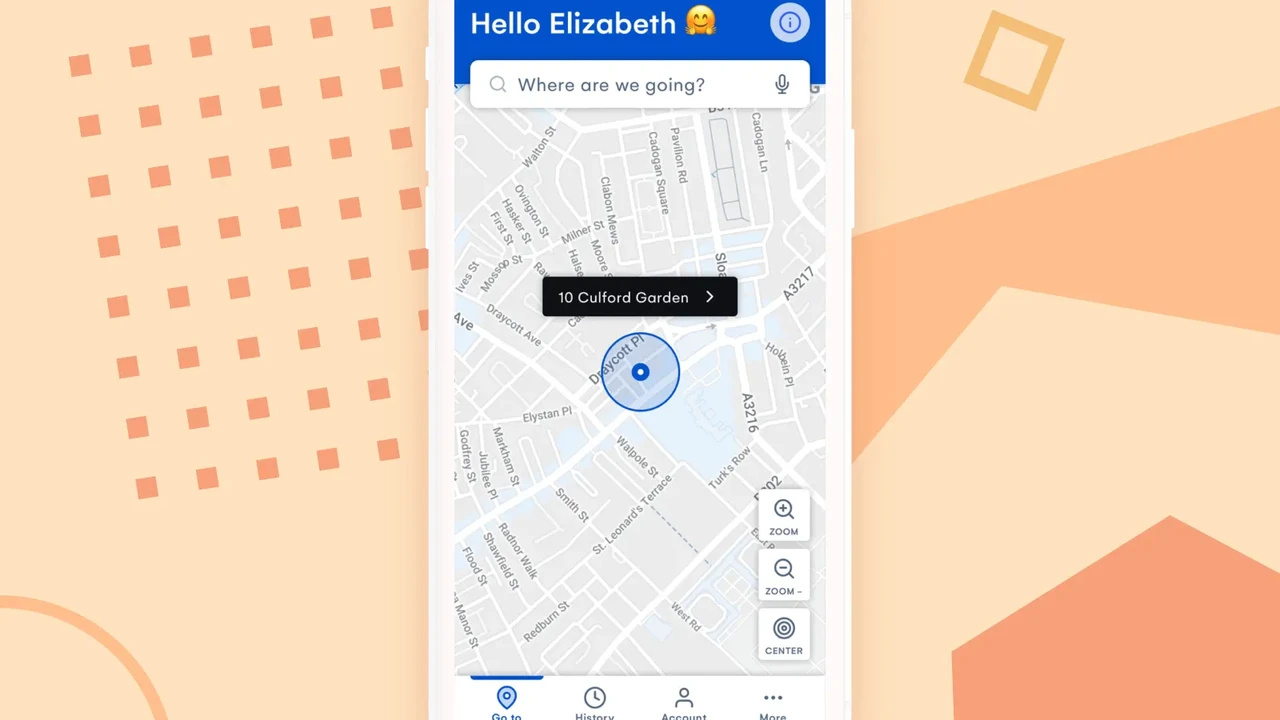
One of the most impactful smart solutions is real-time information. Knowing exactly when your bus or train will arrive, or if there are delays, can significantly reduce stress. Many cities now offer dedicated apps that provide live tracking of vehicles. These apps often feature large, clear text and intuitive interfaces, making them senior-friendly. For example, the **Moovit app** (Free, available on iOS and Android) is widely praised for its comprehensive real-time data, step-by-step navigation, and accessibility features like screen reader compatibility. It covers public transport in thousands of cities worldwide. Another popular option is **Citymapper** (Free, available on iOS and Android), which excels in providing multi-modal journey planning, including real-time updates and even information on the least crowded carriages on trains. While both are excellent, Citymapper often has a more playful interface which might appeal to some, while Moovit's more utilitarian design might be preferred by others. The key benefit here is the ability to plan journeys with confidence, minimizing waiting times and unexpected disruptions.
Dynamic Digital Signage and Announcements
Beyond personal devices, smart digital signage at bus stops and train stations plays a crucial role. These displays provide real-time arrival and departure times, platform changes, and service alerts. The best systems use large, high-contrast fonts and often incorporate audio announcements. Some advanced systems even offer personalized information via QR codes or NFC tags, allowing users to access details in their preferred language or format on their smartphones. For instance, in some European cities, new bus stops are equipped with **e-paper displays** that are highly readable in direct sunlight and consume minimal power, making them sustainable and always on. These systems are often integrated with the city's central transport management system, ensuring accuracy. The challenge here is ensuring these systems are consistently maintained and updated, and that the audio announcements are clear and loud enough to be heard over ambient noise.
Navigation and Wayfinding Solutions for Seniors
Indoor Navigation for Transport Hubs
Large transport hubs like airports and major train stations can be overwhelming. Smart indoor navigation systems, often utilizing Bluetooth beacons or Wi-Fi triangulation, can guide seniors through complex layouts. Apps like **Aira** (Subscription-based, pricing varies) offer visual interpretation services for people with low vision, connecting them with live agents who can describe their surroundings and guide them. While not strictly public transport, this technology can be integrated into station environments. More commonly, some airports and large stations are implementing **interactive digital kiosks** that provide touch-screen maps and directions, often with options for larger text or audio guidance. These kiosks can be particularly helpful for finding specific platforms, restrooms, or exits. The benefit is reducing the cognitive load of navigating unfamiliar and often bustling environments.
Accessible Route Planning Apps
Standard navigation apps often don't prioritize accessibility. However, a growing number of apps and features are emerging that focus on step-free routes, elevator availability, and accessible entrances. **Google Maps** (Free, available on iOS and Android) has made significant strides in this area, allowing users to filter for wheelchair-accessible routes in public transport. This feature provides directions that avoid stairs and highlights accessible stations. Similarly, **Apple Maps** (Free, available on iOS and Android) is continuously improving its public transport directions with accessibility in mind. Specialized apps like **Wheelmap.org** (Free, web-based and app) allow users to find and rate wheelchair-accessible places, including public transport stations, based on community contributions. These apps empower seniors to plan journeys that are physically manageable, avoiding unexpected obstacles.
Ticketing and Payment Innovations for Seniors
Contactless Payment Systems
Fumbling with cash or struggling with ticket machines can be a source of anxiety. Contactless payment systems, using credit/debit cards or mobile wallets, simplify the process. Many public transport networks now accept direct tap-and-go payments. This eliminates the need to purchase a separate ticket or understand complex fare structures. For seniors who are comfortable with smartphones, **Apple Pay** and **Google Pay** (Both free, integrated into iOS and Android devices) offer a seamless way to pay. For those who prefer physical cards, most modern bank cards are contactless. The ease of use and speed of these systems significantly reduce transaction time and potential confusion. The main consideration is ensuring seniors are aware of and comfortable with using these technologies.
Senior-Friendly Smart Cards and Apps
Beyond general contactless payments, many transport authorities offer specialized smart cards for seniors, often providing discounted fares. These cards, like London's **Oyster card** or Singapore's **EZ-Link card**, can be topped up online or at designated kiosks. Some systems are even integrating these cards with mobile apps, allowing seniors to manage their balance, view travel history, and even top up directly from their phone. For example, the **Myki app** in Melbourne, Australia, allows users to manage their Myki card, view travel history, and top up on the go. The benefit is not just convenience but also the potential for personalized discounts and easier management of travel expenses.
Onboard Accessibility Features and Smart Infrastructure
Smart Ramps and Level Boarding
Physical accessibility is paramount. Modern buses and trains are increasingly equipped with automatic ramps or offer level boarding, eliminating the need to step up or down. Smart systems can detect when a ramp is needed and deploy it automatically or alert the driver. For example, newer bus fleets often have **kneeling capabilities** where the bus lowers itself to curb level, making boarding easier. Some train systems are designed with **platform gap fillers** that extend to bridge the gap between the train and the platform, preventing falls. These infrastructural improvements, while not 'smart' in the app sense, are often integrated with smart operational systems that ensure their proper functioning and maintenance.
Accessible Seating and Priority Areas
Designated accessible seating areas with extra space for wheelchairs or mobility aids are becoming standard. Smart technology can enhance this by providing real-time information on seat availability or even allowing pre-booking of accessible spaces on longer journeys. While not widely implemented yet, some pilot programs are exploring **smart sensors** in priority seating areas that could detect occupancy and relay information to passengers via an app or onboard display. This could help seniors find available seating more easily, especially during peak hours. The challenge is balancing the need for priority seating with the practicalities of real-time occupancy tracking.
Enhanced Audio and Visual Announcements
Clear, consistent, and timely announcements are vital. Smart public transport systems use automated announcement systems that are synchronized with GPS, ensuring accurate information about upcoming stops. These systems often include both audio and visual displays. The best systems use **high-quality speakers** and **large, clear LED or LCD screens** that are easy to read from a distance. Some even offer personalized audio announcements via headphones connected to a smartphone app, allowing seniors to adjust volume or language. For instance, the **MTA in New York City** has been upgrading its subway cars with digital screens that display real-time route information and upcoming stops, complementing the audio announcements. The goal is to ensure that all passengers, regardless of sensory abilities, can easily understand where they are and where they are going.
Safety and Security Enhancements for Seniors
Emergency Call Buttons and Intercoms
Feeling safe is crucial for independent travel. Modern public transport vehicles are equipped with easily accessible emergency call buttons or intercoms that connect directly to the driver or a control center. These systems are often integrated with GPS, allowing operators to pinpoint the exact location of the vehicle in an emergency. The presence of these features provides a significant sense of security for seniors, knowing that help is readily available if needed.
CCTV and Monitoring Systems
Extensive CCTV coverage on vehicles and at stations acts as a deterrent to crime and provides valuable evidence if incidents occur. Smart CCTV systems can even incorporate **AI-powered analytics** to detect unusual behavior or potential safety hazards, alerting staff in real-time. While the primary purpose is general security, the increased safety benefits all passengers, including seniors, by creating a more secure environment. The challenge here is balancing security with privacy concerns.
Personal Safety Apps and Features
Beyond the transport system itself, personal safety apps can offer an additional layer of security. Many general safety apps allow users to share their location with trusted contacts or trigger an emergency alert. Some public transport apps are integrating **'Safe Journey' features** that allow users to share their live location with family members while they are traveling. For example, some ride-sharing apps have a 'Share Trip Status' feature, and similar functionalities are being explored for public transport apps. This provides peace of mind for both seniors and their caregivers, knowing that their whereabouts are known during their journey.
Future Trends and Innovations in Senior Accessible Transport
Autonomous Vehicles and Shuttles
The advent of autonomous vehicles holds immense promise for senior accessibility. Self-driving shuttles operating on fixed routes could provide on-demand, door-to-door service, eliminating the need for seniors to navigate complex routes or transfer between different modes of transport. These vehicles could be designed from the ground up with accessibility in mind, featuring easy boarding, spacious interiors, and intuitive interfaces. While still in pilot phases in many areas, the potential for enhanced independence is significant.
Personalized Mobility as a Service MaaS
MaaS platforms aim to integrate various transport options – public transport, ride-sharing, bike-sharing, and even walking – into a single, seamless service accessible via a smartphone app. For seniors, a MaaS platform could offer personalized journey planning that considers their specific accessibility needs, preferred modes of transport, and even health conditions. Imagine an app that not only plans your journey but also books your accessible taxi for the first and last mile, and ensures a wheelchair-accessible bus is available for the main leg of the journey. This holistic approach could revolutionize senior mobility.
Predictive Analytics for Crowding and Accessibility
Using big data and AI, transport authorities can analyze historical and real-time data to predict crowding levels and identify potential accessibility bottlenecks. This information can then be used to adjust service frequency, deploy additional accessible vehicles, or even advise seniors on the best times to travel to avoid crowds. For example, if a particular bus route is consistently crowded during certain hours, the system could suggest alternative routes or times that are less busy and more comfortable for seniors. This proactive approach can significantly improve the travel experience.
Augmented Reality AR for Navigation and Information
AR technology could overlay digital information onto the real world, providing intuitive navigation cues, highlighting accessible features, or translating signs in real-time. Imagine holding up your phone and seeing arrows pointing to your platform, or having a foreign language sign instantly translated on your screen. While still nascent in public transport, AR has the potential to make complex environments much easier to understand and navigate for seniors, especially those with cognitive or sensory impairments.
Challenges and Considerations for Implementation
Despite the immense potential, implementing smart public transport accessibility solutions for seniors comes with challenges. **Digital literacy** is a significant hurdle; not all seniors are comfortable with smartphones or apps. Solutions must be designed with simplicity and intuitiveness in mind, and training programs may be necessary. **Cost** is another factor; upgrading infrastructure and developing sophisticated software requires substantial investment. **Data privacy and security** are paramount, especially when dealing with personal location data. Finally, ensuring **interoperability** between different systems and transport providers is crucial for a truly seamless experience. A fragmented approach will only add to confusion. The key to success lies in user-centered design, robust infrastructure, and ongoing support and education for senior users.
:max_bytes(150000):strip_icc()/277019-baked-pork-chops-with-cream-of-mushroom-soup-DDMFS-beauty-4x3-BG-7505-5762b731cf30447d9cbbbbbf387beafa.jpg)